Is Porgy Good to Eat? A Long Island Fisherman's Honest Answer
Yes—porgy is very good to eat. Fresh porgy has mild, slightly sweet white flesh with a clean flavor and a tender, flaky texture. It works especially well roasted or grilled whole, but it is also excellent in tacos, fried pieces, and ceviche.
The main drawback is bones, not flavor. A whole porgy has the normal backbone and pin bones you expect in a small whole fish, so careful filleting or eating around the skeleton matters. For a focused flavor comparison, see what porgy tastes like; this guide focuses on whether it is worth keeping and the best ways to use it.
Yes. Porgy is very good to eat.
Not "good for a small fish."
Not "good if you fry it enough."
Just good.
Fresh porgy is mild, flaky, versatile, and one of the most underrated eating fish I catch around Long Island.
I understand why people ask the question. Porgies are common. They are not usually huge. They do not have the same reputation as striped bass, fluke, black sea bass, tuna, or the fish people brag about at the dock. Some anglers even talk about porgies like they are second-tier fish.
I have never understood that.
Not after catching them. Not after grilling them whole. Not after turning them into ceviche. Not after making beer-battered tacos. Not after frying them into nuggets for the kids. Not after vacuum sealing them and eating them later in the winter. Not after giving extra fish to neighbors who are genuinely excited to get fresh local fish.
If someone tells me porgy is not good to eat, my first question is simple:
Have you eaten a fresh one cooked properly?
If you are also weighing sustainability, the answer depends on more than the health of the scup stock. Seafood Watch currently rates the New England and Mid-Atlantic scup bottom-trawl fisheries yellow because of concerns about other species caught in those fisheries.
The Greek Restaurant Meal That Changed My Mind
The first porgy I remember really enjoying was not one I caught myself.
It was served at a Greek restaurant on Long Island.
The restaurant was nice but casual, and they usually had a local fish special on the menu. One night, the special was whole porgy.
The preparation was simple.
Whole fish.
Tomatoes.
Cucumbers.
Olive oil.
Vinegar.
Oregano.
A Greek-style dressing.
That was basically it.
No heavy sauce. No complicated technique. No attempt to hide the fish.
It was excellent.
The thing that surprised me most was how familiar the experience felt. It reminded me of eating branzino at a restaurant. Mild white flesh, clean flavor, simple ingredients, and a whole-fish presentation that felt much better than porgy's reputation would suggest.
That meal changed how I thought about porgy.
Before that, I probably thought of porgy the way a lot of anglers do: common, abundant, useful, but not necessarily special.
After that meal, I stopped thinking of porgy as a fish that merely happened to be edible and started thinking of it as a fish worth targeting for dinner.
The fish had not changed.
My understanding of it had.
The Branzino Comparison
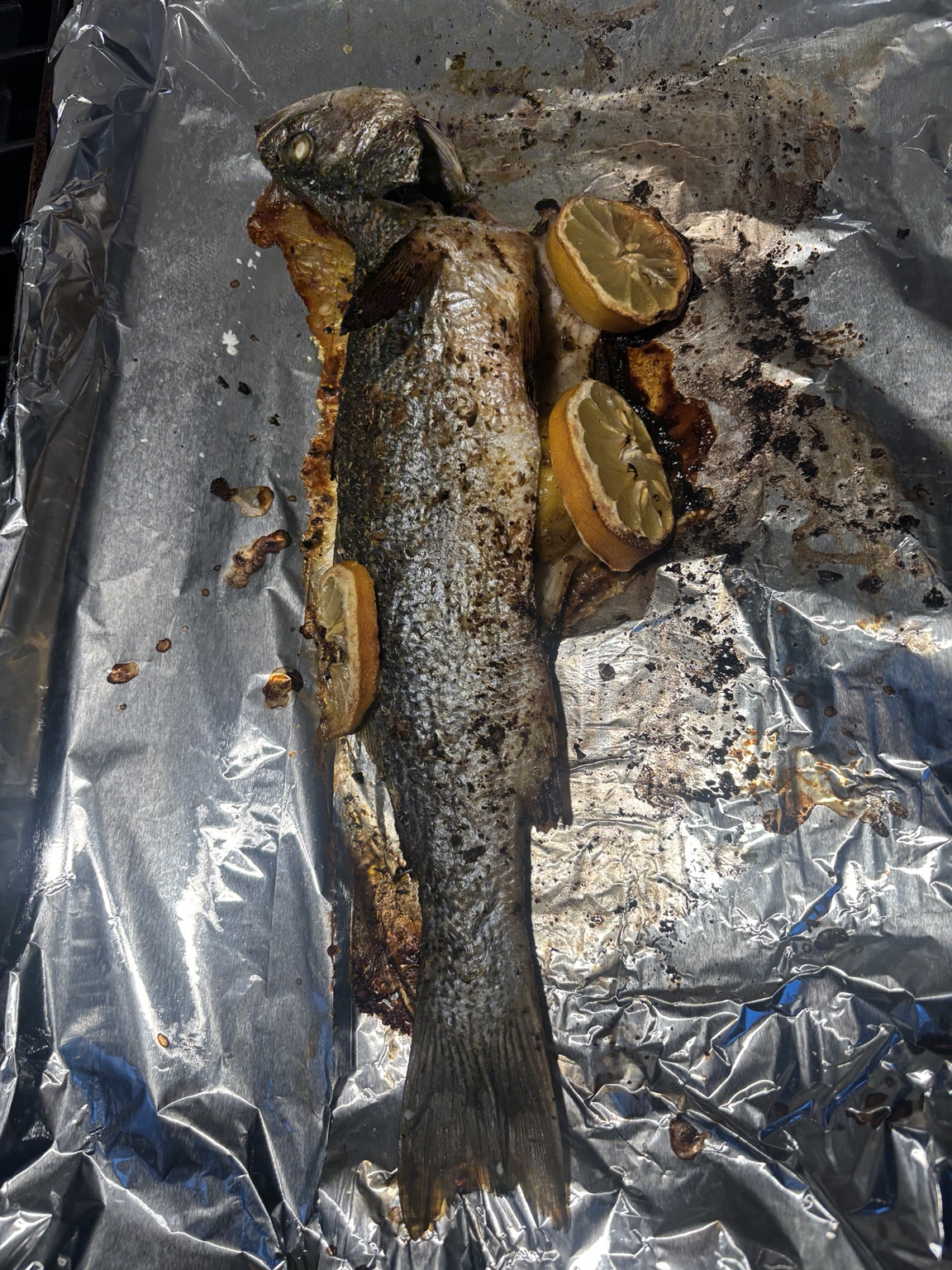
Whenever I hear someone dismiss porgies, I think about branzino.
People pay restaurant prices for whole branzino with lemon, herbs, olive oil, and simple sides. They order it confidently. They recommend it to friends. They do not treat it like a lesser fish.
A fresh whole porgy can deliver a very similar kind of meal.
I am not saying porgy and branzino are exactly the same fish. They are not. But they occupy the same general place in my mind once they are cooked well.
Both work beautifully whole.
Both have clean white flesh.
Both benefit from simple preparation.
Both are better when you let the fish speak for itself.
That is why the "trash fish" label never made sense to me.
People pay for similar whole-fish meals in restaurants all the time. Porgy just has the problem of being too available and too familiar. Because people catch a lot of them, they sometimes assume the fish must not be special.
I think that is backwards.
A fish can be common and still be excellent.
What Porgy Actually Tastes Like
Porgy is a mild white fish.
It is flaky, clean, and not overly oily. It does not have the heavy flavor some people associate with bluefish. It is not as meaty as striped bass. It is not quite as delicate as fluke.
To me, porgy sits in a very useful middle ground.
It is mild enough to cook simply.
It is sturdy enough to fry.
It is clean enough for ceviche when fresh and handled properly.
It takes seasoning well.
It does not need much to taste good.
That combination makes it more versatile than people realize.
My short answer is this: porgy tastes like a clean, mild, flaky white fish that works especially well whole, fried, in tacos, or as very fresh ceviche.
Why Porgy Has a Reputation Problem
I think porgies are underrated partly because they are common.
People tend to value difficulty. A fish that is hard to catch automatically feels more prestigious. A fish that requires expensive gear, offshore trips, or perfect conditions gets treated like a prize.
Porgies are different.
Beginners can catch them.
Kids can catch them.
Party boats target them.
On good days, many anglers can bring home enough fish for real meals.
Some people mistake that accessibility for low quality.
I think that is wrong.
A fish that is fun to catch, available to ordinary anglers, good for kids, good to cook, and capable of feeding a family should be respected more, not less.
The other reputation problem is the name.
"Porgy" does not sound like a fancy restaurant fish.
"Branzino" does.
That matters more than people admit.
But the fish on the plate matters more than the name on the menu.
Whole Porgy Is the Best Place to Start
If someone has never eaten porgy before, I would start with whole fish.
Clean the fish. Season it inside and out. Add lemon slices, rosemary or oregano, garlic, olive oil, salt, and pepper. Roast it, grill it, or broil it until the flesh flakes cleanly.
That preparation lets the fish speak for itself.
It is also the preparation that best explains why porgy should not be dismissed. When cooked whole with simple Mediterranean-style ingredients, porgy feels much closer to a restaurant fish than a lot of people expect.
The skin helps protect the flesh.
The bones help keep the fish moist.
The presentation looks better than fillets.
And the flavor stays clean and simple.
Whole porgy is not complicated food. That is the point.
Good fresh fish does not need to be complicated.
Whole Fish on the Grill
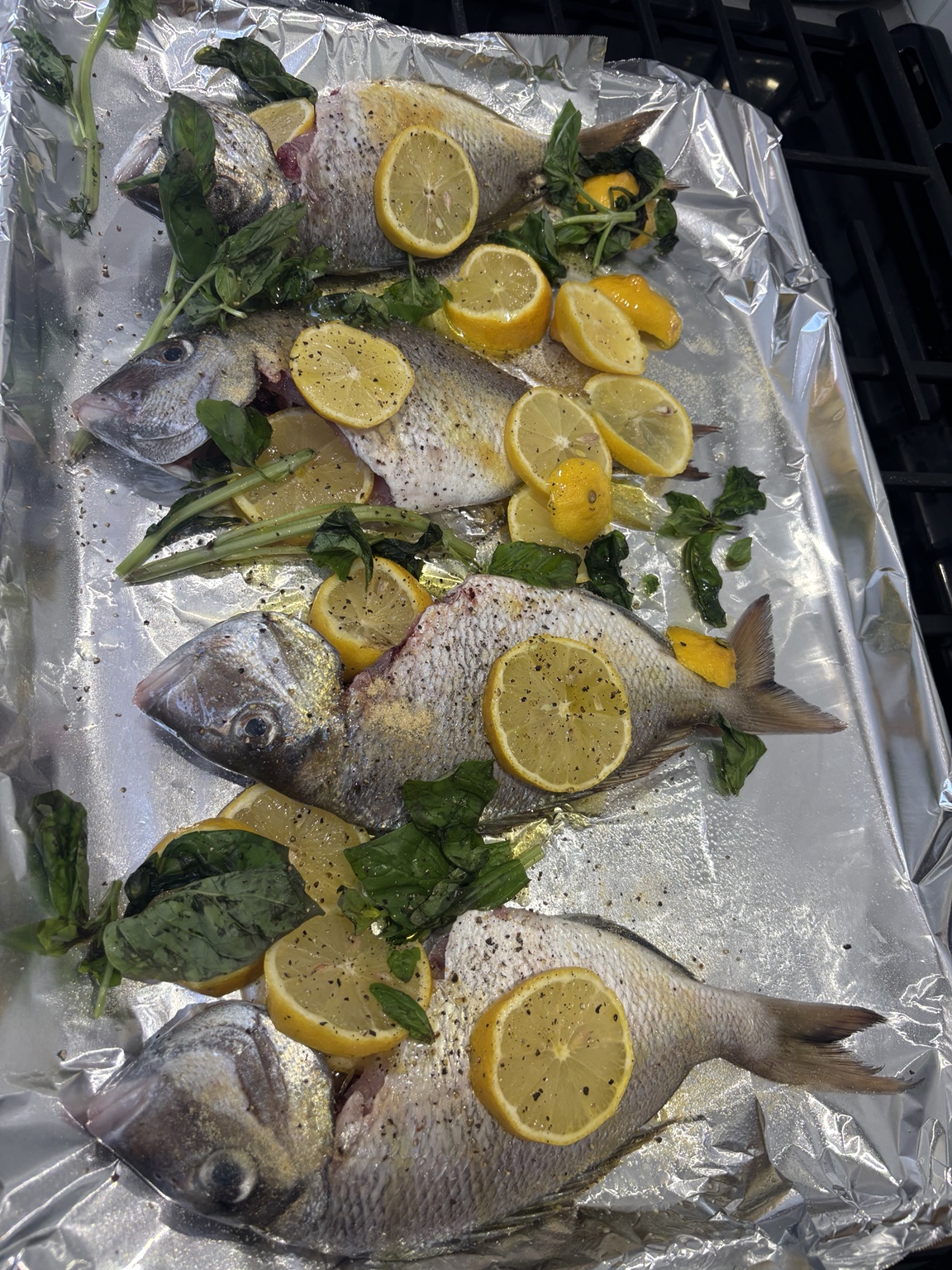
As much as I love tacos, there is something special about cooking porgy whole on the grill.
Lemon.
Olive oil.
Fresh herbs.
Simple seasoning.
That is usually all it needs.
The fish develops flavor from the grill while staying moist inside. The presentation feels impressive, but the preparation stays surprisingly simple.
This is one of the reasons I like porgy so much. It can feel casual or special depending on what you do with it.
You can make it into fried nuggets for kids.
You can make tacos.
You can make ceviche.
Or you can grill it whole and serve it like something you would order at a good Mediterranean restaurant.
Good fish often rewards restraint.
Porgy is one of those fish.
Porgy Ceviche Is One of My Favorite Uses
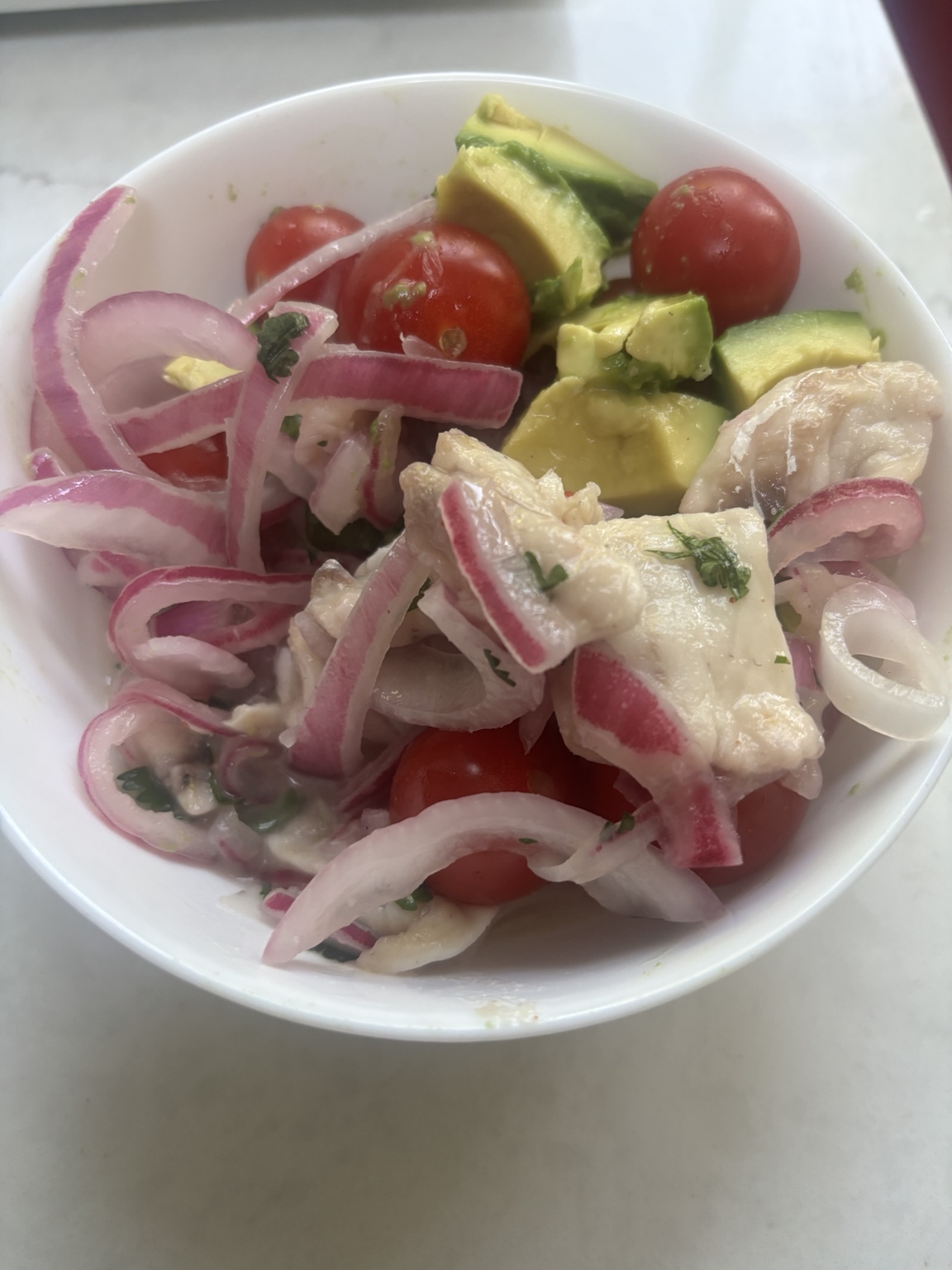
Fresh porgy can make excellent ceviche.
I would only do this with fish that was handled well and kept cold, but when you have very fresh porgy, ceviche is one of my favorite ways to use it.
The mild flavor works well with citrus, onion, tomato, cilantro, avocado, and a little heat.
The fish does not overpower the dish. It carries the lime and seasoning well. It stays clean and bright.
Ceviche is also useful when you come home with a larger catch. Not every fish needs to become dinner the same way. Some fish can be cooked whole. Some can become tacos. Some can be frozen. Some can become ceviche.
That variety is part of the appeal.
The Best Porgy Tacos We Ever Made
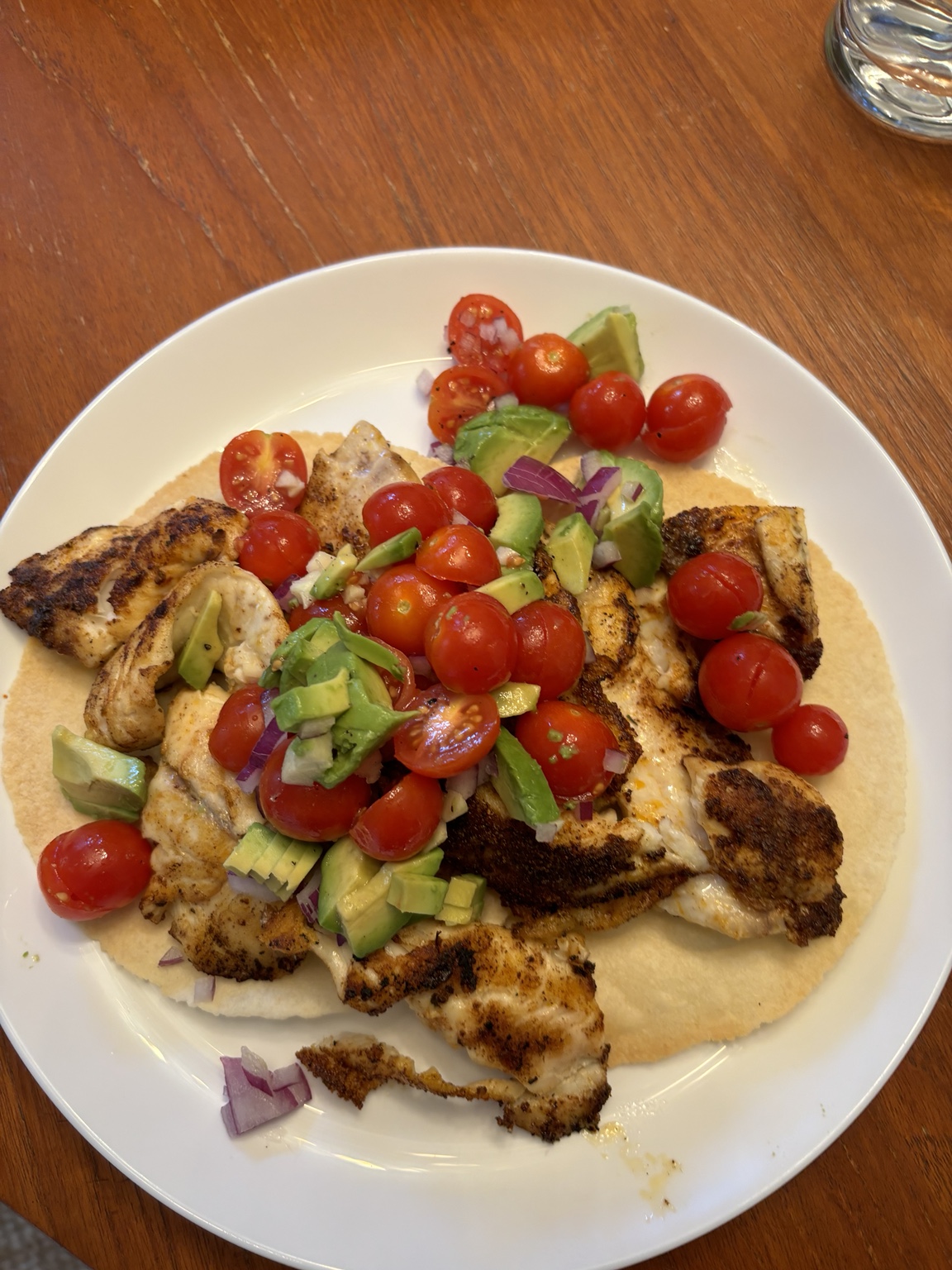
The most memorable meal that came from a fishing trip was not a restaurant meal.
It happened after a trip where we came home with a lot of fish.
Around thirty porgies.
That created a good problem.
Now we had to figure out what to do with them.
Some went into the freezer.
Some were shared.
Some were saved for later meals.
But that night we made fish tacos.
Beer-battered porgy tacos.
And they were outstanding.
The fish was fried until crisp. The tortillas were warmed. We added avocado, pickled onions, cilantro, and fresh toppings.
Everything worked.
The fish stayed flaky inside while developing a crunchy exterior. The mild flavor let the toppings shine without disappearing. The beer batter gave the tacos the kind of crunch that makes everyone immediately start talking about making them again.
Years later, that meal is still one of the first things I think about when someone asks for my favorite way to cook porgy.
Why Porgy Works So Well for Fish Tacos
Some fish are too delicate.
Some fish are too strong.
Some disappear completely once you start adding toppings.
Porgy lands in a sweet spot.
It has enough flavor to stand up to seasoning, but not so much flavor that it overwhelms everything else.
It works with beer batter.
It works with blackened seasoning.
It works with Mexican-style spices.
It works with fresh toppings.
It works with creamy sauces.
It works with citrus.
That versatility is one reason tacos have become one of our favorite uses for larger catches.
A toasted corn tortilla, fried porgy, pickled onions, avocado, cilantro, and a little heat is a very hard combination to beat.
Fried Porgy Is Better Than People Expect
Fried porgy is one of the easiest ways to make believers out of people.
The fish fries well because the flesh is mild and flaky but not uselessly soft. It holds together well enough to become nuggets, strips, or taco pieces.
For kids, this is probably the easiest entry point.
They do not need a whole fish presentation.
They do not need bones on the plate.
They do not need a detailed explanation of why porgy is underrated.
They just need a crispy piece of fish that tastes good.
My kids like porgy as fried nuggets.
That is usually the version that works best for them.
No elaborate presentation. No complicated recipe. Just bite-sized pieces of fresh fish cooked until crisp.
Adults might want tacos.
Adults might want whole grilled fish.
Adults might want ceviche.
Kids might want nuggets.
Everybody wins.
The Beer-Battered Nugget Project
One of the most useful things we have done with larger catches is turn porgy fillets into beer-battered nuggets.
This is not fancy food, but it is very satisfying.
The fillets get cut into smaller pieces. The batter fries up crisp. The fish inside stays mild and flaky. The result works for kids, adults, leftovers, and freezer meals.
When you come home with a lot of porgies, you need options like this.
You can only eat so many whole fish in a row.
Nuggets are practical.
They are easy to reheat.
They are easy to serve.
And they make porgy feel less like "we have too many fish" and more like "we have something really useful in the freezer."
When You Come Home With More Fish Than You Need
One thing people do not always think about before a productive trip is what happens afterward.
Catching fish is the easy part.
Deciding what to do with thirty fish takes more planning.
Some fish get eaten immediately.
Some get frozen.
Some become tacos.
Some become ceviche.
Some get shared with neighbors.
That is one of the fun parts of a successful trip.
The catch keeps providing value long after the boat is back at the dock.
A fishing trip on Saturday can become dinner on Saturday, lunch on Sunday, and another meal weeks later.
When you pull a vacuum-sealed bag of porgy out of the freezer in the middle of winter, it brings the trip back for a minute.
You remember the boat.
You remember the catch.
You remember the day.
That is part of why I like fishing for food. The trip does not end when the boat returns.
Giving Porgy to Neighbors
One thing I genuinely enjoy is giving fish away.
When we come home with a good catch, some of it often goes to neighbors or people we know will appreciate it.
Fresh local fish feels different from something bought at a store.
People get excited about it.
There is something satisfying about saying, "We were fishing today. Do you want some fresh fish?"
That does not happen with every hobby.
You cannot always share the result so directly.
With porgy, you can.
That makes a productive trip feel even better. The fish feed more than just your own family.
Porgy Compared With Striped Bass
Striped bass has the stronger reputation.
It is larger, more famous, and more exciting to many anglers.
But for everyday eating, I think porgy deserves more respect than it gets.
Striped bass is meatier. Porgy is lighter and more flexible. If I were grilling larger fillets, striped bass might win. If I were cooking whole fish, frying tacos, making ceviche, or feeding kids, porgy is extremely useful.
They are different fish for different meals.
Porgy does not need to beat striped bass to be worth keeping.
It just needs to be good in its own lane.
And it is.
Porgy Compared With Fluke
Fluke is more delicate.
Porgy is more versatile.
Fluke has a cleaner, softer profile that many people love. It is excellent. But porgy works in more everyday preparations than some people expect.
If I wanted a very delicate white fillet, fluke is hard to beat.
If I wanted whole fish, tacos, nuggets, ceviche, and freezer meals from a productive party boat trip, porgy is a great answer.
Again, it does not need to be the best fish at everything.
It needs to be genuinely useful and good.
That is exactly what it is.
Porgy Compared With Bluefish
Bluefish is stronger, oilier, and more divisive.
Some people love it.
Some people do not.
Fresh bluefish handled well can be excellent, but it has a much stronger personality than porgy.
Porgy is easier for most families.
It is milder.
It is less oily.
It is less polarizing.
If you are feeding kids or people who say they do not like fishy fish, porgy is usually the safer bet.
That is one reason I like having porgy in the cooler.
It is easy to use.
Porgy Compared With Tilapia or Farmed White Fish
This is where porgy really wins for me.
If someone is used to mild white fish from the grocery store, fresh porgy can feel like a major upgrade.
It is mild, but it has character.
It is clean, but it is not boring.
It is local, fresh, and tied to an actual day on the water.
That matters.
A porgy you caught that morning and cooked that night has a completely different feeling from a generic frozen fillet.
Are Porgies Bony?
People sometimes worry that porgies are too bony.
I think that concern is overstated.
Like most whole fish, porgy has bones. You need to pay attention when eating it whole. But it is not some impossible maze of bones.
When filleted properly, porgy is very manageable.
If you are cooking for kids, fillets or nuggets are the easier route.
If you are cooking for adults who are comfortable with whole fish, whole grilled or broiled porgy is fantastic.
The bone issue is real enough to be aware of, but not a reason to dismiss the fish.
Are Small Porgies Still Worth Eating?
Small porgies can be worth eating, but they are more work.
The smaller the fish, the less meat you get for the effort. That is true with almost every species.
For a whole fish meal, I prefer fish with enough size to make the experience worthwhile. For fillets, bigger fish are obviously easier.
That said, if you have legal keeper-sized porgies and you are willing to clean them, they can still be very good.
Just match the fish to the preparation.
Small whole fish can work.
Larger fish make better fillets.
A pile of fillets can become tacos or nuggets.
Why Freshness Matters
Freshness matters with all fish, but it especially matters when you are trying to change someone's mind.
A fresh porgy handled properly is a completely different experience from an old, poorly handled fish.
Keep the fish cold.
Clean it properly.
Cook it soon if you can.
Use the freezer when you need to, but do it thoughtfully.
The better you handle the fish, the more likely people are to understand why porgy deserves respect.
What I Would Cook First
If someone brought home porgy for the first time and asked what to cook, I would ask what kind of eater they are.
If they like whole fish, I would grill or broil it with lemon, olive oil, and herbs.
If they want something easy and crowd-pleasing, I would make tacos.
If they have kids, I would make nuggets.
If the fish is extremely fresh and handled well, I would consider ceviche.
Those are the preparations that best show what porgy can do.
My Favorite Porgy Preparations, Ranked
My personal ranking changes depending on the day, but generally it looks like this:
Whole grilled or broiled porgy with lemon, olive oil, and herbs.
Beer-battered porgy tacos with pickled onions, avocado, cilantro, and warm corn tortillas.
Fresh porgy ceviche.
Fried porgy nuggets.
Simple pan-fried fillets.
The important thing is not that there is one correct answer.
The important thing is that porgy gives you options.
That is one of its biggest strengths.
Why Porgy Is Good for Families
Porgy is a great family fish because it is approachable.
Kids can catch it.
Beginners can catch it.
The fish is mild.
The recipes can be simple.
The catch can become multiple meals.
That combination is hard to beat.
Some fish are exciting to catch but difficult to cook.
Some fish are great to eat but hard for beginners to catch.
Porgy sits in the middle of the Venn diagram.
It is accessible, fun, and genuinely good.
That makes it valuable.
The Food Is Part of the Fishing Memory
One reason I enjoy porgy fishing so much is that the food becomes part of the memory.
The trip does not end at the dock.
It continues at home.
It continues when the fish become tacos.
It continues when the kids eat nuggets.
It continues when you give fish to neighbors.
It continues when you pull fish from the freezer weeks or months later.
That is what makes porgy fishing feel complete to me.
You do not just catch fish.
You turn the day into meals.
Should You Keep Your First Porgy?
If somebody caught their first porgy tomorrow and asked me whether it was worth keeping for dinner, my answer would be immediate.
Absolutely.
Not because it is merely edible.
Not because it is convenient.
Because it is genuinely good.
In fact, I think many people would be surprised by how good it is.
The biggest challenge is getting past the reputation.
Once people actually eat it, most of them become believers.
I certainly did.
After years of catching, cooking, freezing, sharing, grilling, frying, and serving porgy, I still think it is one of the most underrated eating fish available to recreational anglers.
Porgy is not trash fish.
It is not a consolation prize.
It is not just something to keep because you caught a lot of them.
Handled well and cooked properly, porgy is a genuinely excellent table fish.
And for me, that answer started with a simple whole fish at a Greek restaurant and got confirmed over and over again through tacos, nuggets, ceviche, freezer meals, neighbor deliveries, and family dinners after long days on the water.