Are Porgies Trash Fish? Not Even Close.
Every once in a while, someone dismisses porgies as a “trash fish.” I’ve never understood that. After years of catching porgies around Long Island, cooking them at home, sharing them with neighbors, and eating them all winter, I think they are one of the most underrated fish in the Northeast. Massachusetts DMF independently described the fishery as under-valued in written responses provided specifically to ScupFish.
I get why porgies can be overlooked. They are common. They are not usually giant. They do not have the status of striped bass, fluke, black sea bass, or tuna. If you are judging fish by bragging rights alone, a porgy does not always win.
But that is not how I judge fish.
I judge fish by what happens after the trip: how it tastes, how easy it is to cook, whether my family wants to eat it, whether I can share it, and whether I’m happy to see it on the plate again. By that standard, porgies are excellent.
The meal that changed how I thought about porgy
The first porgy I remember really enjoying was not one I caught. It was at a local Greek restaurant. The restaurant was nice but casual, and they usually had a local fish special on the menu.
One night the special was whole porgy. It came out simple: whole fish, sliced tomatoes and cucumber, olive oil, vinegar, and fresh oregano. Nothing complicated. Nothing hidden under a heavy sauce.
It was mind-blowingly good.
The fish was fresh, clean, mild, flaky, and exactly the kind of whole fish people pay good money for at Mediterranean restaurants. That meal made me realize that porgy was not some throwaway fish. It was the same kind of simple, beautiful whole fish preparation people already love when it is called branzino or sea bream.
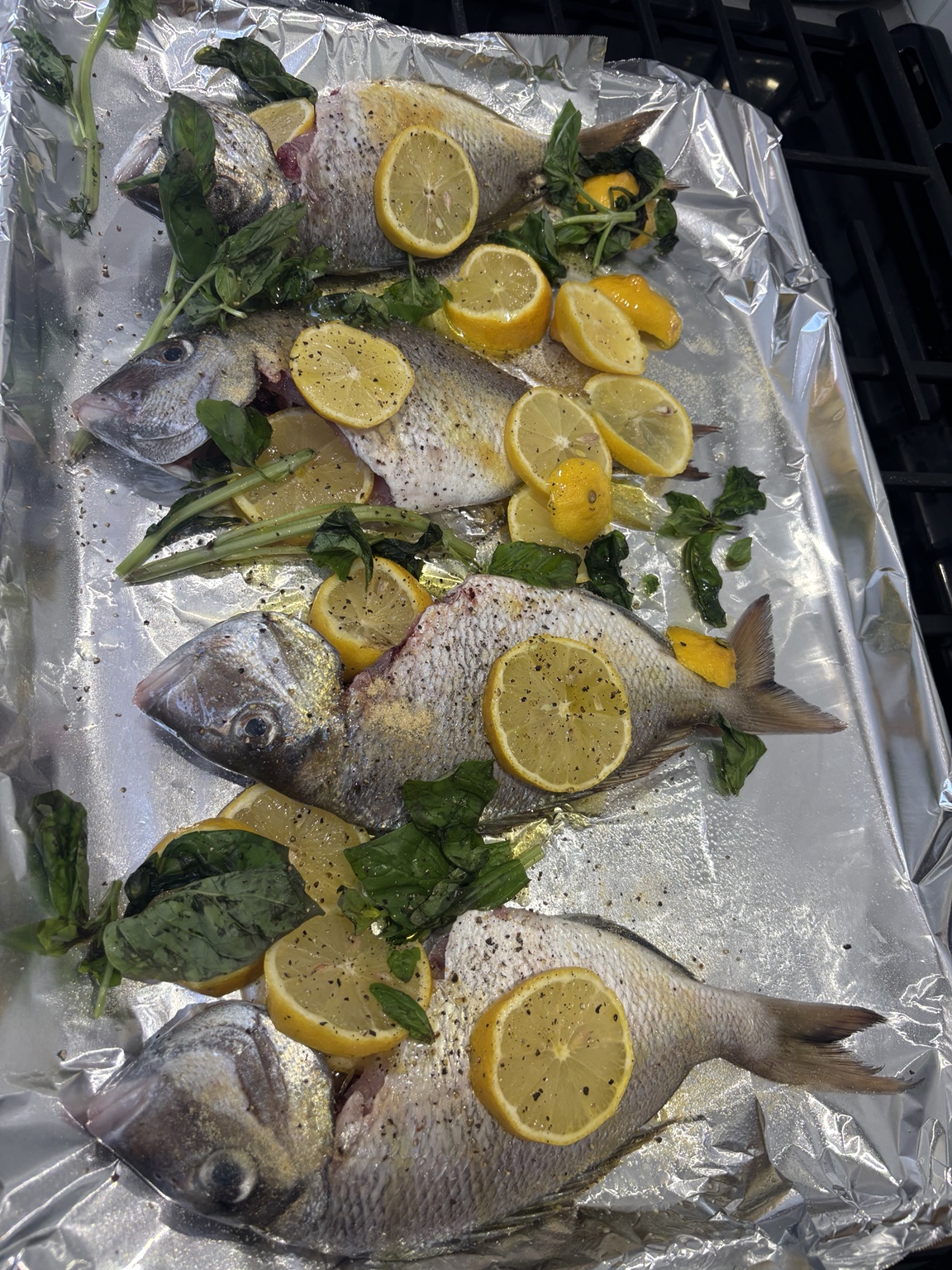
A fresh whole porgy with olive oil, lemon, herbs, and garlic can be every bit as satisfying as the whole fish people order at a good Greek restaurant.
Why people underrate porgies
I think porgies get dismissed partly because they are accessible. You can catch them on party boats. Kids can catch them. Beginners can catch them. On a good day, you can catch a lot of them.
For some anglers, that works against the fish. If something is plentiful and easy to catch, people assume it must not be special.
I think that logic is backwards.
A fish that is fun to catch, legal to keep when it meets size rules, easy to cook, mild enough for the whole family, and plentiful enough to provide real meals deserves more respect, not less.
What porgy tastes like
Porgy is a mild, white, flaky fish. It is not heavy or oily in the way some people describe bluefish. It is not as meaty as striped bass. It is not quite the same texture as fluke, which can be more delicate and flaky.
To me, porgy sits in a very useful middle ground. It is mild enough for simple preparations, but the fillets hold up well enough for frying, tacos, and pan cooking.
If you cook it whole, the fish is outstanding. That is probably my favorite way to show someone why porgy is underrated.
Whole porgy is where the fish really shines
When I leave porgies whole, I usually cook them the same way I would cook branzino: lemon, rosemary or other herbs, garlic, olive oil, salt, pepper, and heat.
You can grill them. You can roast them. You can broil them. The basic idea is simple: clean the fish, season it well, cook it gently, and let the fish taste like fish.
People overcomplicate seafood. A fresh porgy does not need much. Lemon, herbs, olive oil, and heat are enough.
Porgy fillets are more useful than people think
When we fillet porgies, the options open up. I like them for:
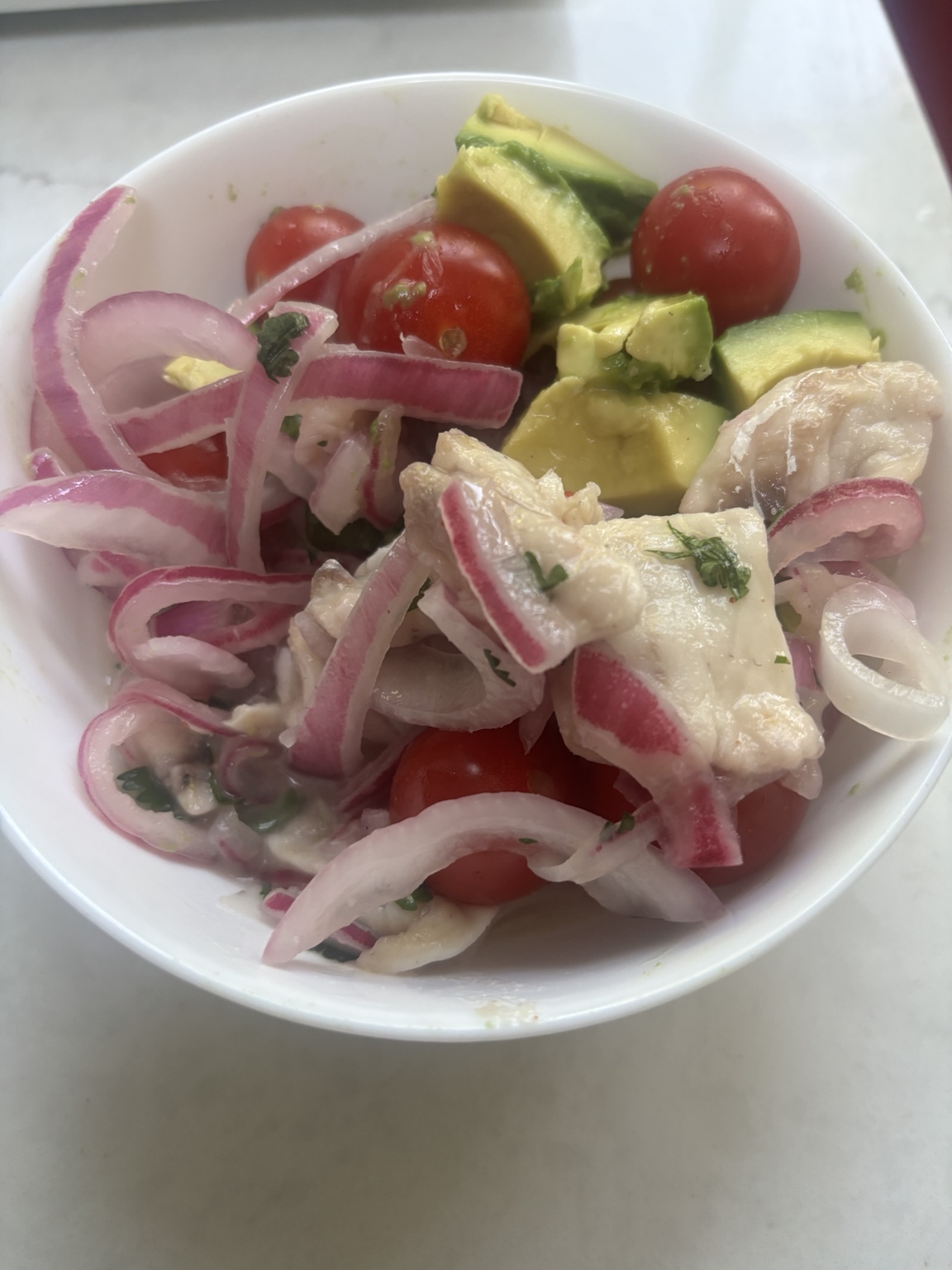
- Ceviche, especially with smaller fresh fillets.
- Beer-battered fried fish, because the fillets hold together well.
- Fish tacos, especially with Mexican-style spices, lime, and simple toppings.
- Pan-fried fillets with butter, lemon, and herbs.
- Fish-and-chips style meals, where porgy works better than people expect.
That versatility is one of the main reasons I keep them. They are not a one-recipe fish.
The ceviche test
Porgy ceviche is one of my favorite ways to use fresh fillets. When the fish is very fresh, the texture and mild flavor work beautifully with citrus, onion, avocado, tomatoes, herbs, and a little heat.
I am careful with raw or citrus-cured seafood, and anyone making ceviche should understand safe handling, freshness, and local guidance. But from a flavor standpoint, porgy is excellent in ceviche.
It is one of the dishes that convinced me the fish deserves more attention.
The freezer test
Another reason I respect porgies is that they can become real food for later, not just a one-night meal.
One summer, we caught so many porgies that our family turned a big batch into beer-battered porgy nuggets. We fried the fillets, cooled them, vacuum sealed them, labeled the bags, and froze them.
All winter long, we reheated those porgy nuggets in the air fryer. They were still good months later.
That matters. A fish that can feed your family in August and again in January is not trash.
Sharing porgies with neighbors
When we come home with a big catch, we do not keep everything. We often give some to neighbors. They grill them, bake them, and get excited when we bring fish over.
There is something satisfying about that. The fishing trip does not end at the dock. It turns into dinner, freezer meals, and food for other people.
My honest answer
If someone does not like porgy, that is fine. Everyone has different tastes. But when someone calls porgies trash fish, my reaction is simple: have you actually eaten a fresh one cooked well?
Because a fresh porgy, grilled whole or turned into ceviche or fried for tacos, is a genuinely good fish.
It is wild. It is local. It is versatile. It is family-friendly. It is fun to catch. And it tastes great.
That is not trash. That is dinner.
Why I Think People Get This Wrong
After years of fishing Long Island waters, I genuinely do not understand why some anglers dismiss porgies as trash fish. A fresh porgy cooked the same day it was caught is one of the best-eating fish available in the Northeast. I have grilled them whole with lemon and herbs, turned them into ceviche, made fish tacos, and deep-fried fillets for family dinners. They are versatile, abundant, and accessible.
The Branzino Test
The comparison I always make is branzino. People happily pay restaurant prices for whole Mediterranean sea bass. Yet a properly cooked porgy delivers a very similar experience: flaky white meat, crisp skin, and excellent flavor. One of the first porgies I ever ate was at a Greek restaurant on Long Island served whole with tomatoes, cucumber, olive oil, oregano, and vinegar. It completely changed my opinion of the fish.
Porgies Feed Families
One successful trip can fill a cooler. My family has had days where we approached the legal limit and came home with enough fish for months. We vacuum sealed cooked porgy nuggets and reheated them throughout the winter. We also gave fish away to neighbors who were excited every time we showed up with a bag of fresh fillets.