Porgy Ceviche Recipe: Fresh Long Island Scup Catch-to-Table
Porgy makes excellent ceviche because its mild flavor and moderately firm white flesh hold up well to lime, onion, tomato, avocado, herbs, and chile. Cut very fresh, properly handled fillets into small even pieces, keep everything cold, and add the avocado shortly before serving so it stays intact.
I did not grow up thinking of porgy as a ceviche fish. Most people around Long Island think of porgies as something you grill whole, fry, or bring home from a party boat. Those are all great uses. But after years of catching porgies and looking for more ways to use a big catch, ceviche became one of my favorite preparations.
It is especially useful when you have smaller keeper porgies. A smaller fish may not produce a giant fillet, but it can produce perfect bite-size pieces for ceviche. The fish is mild, clean, and firm enough to hold up without overpowering the citrus and vegetables.
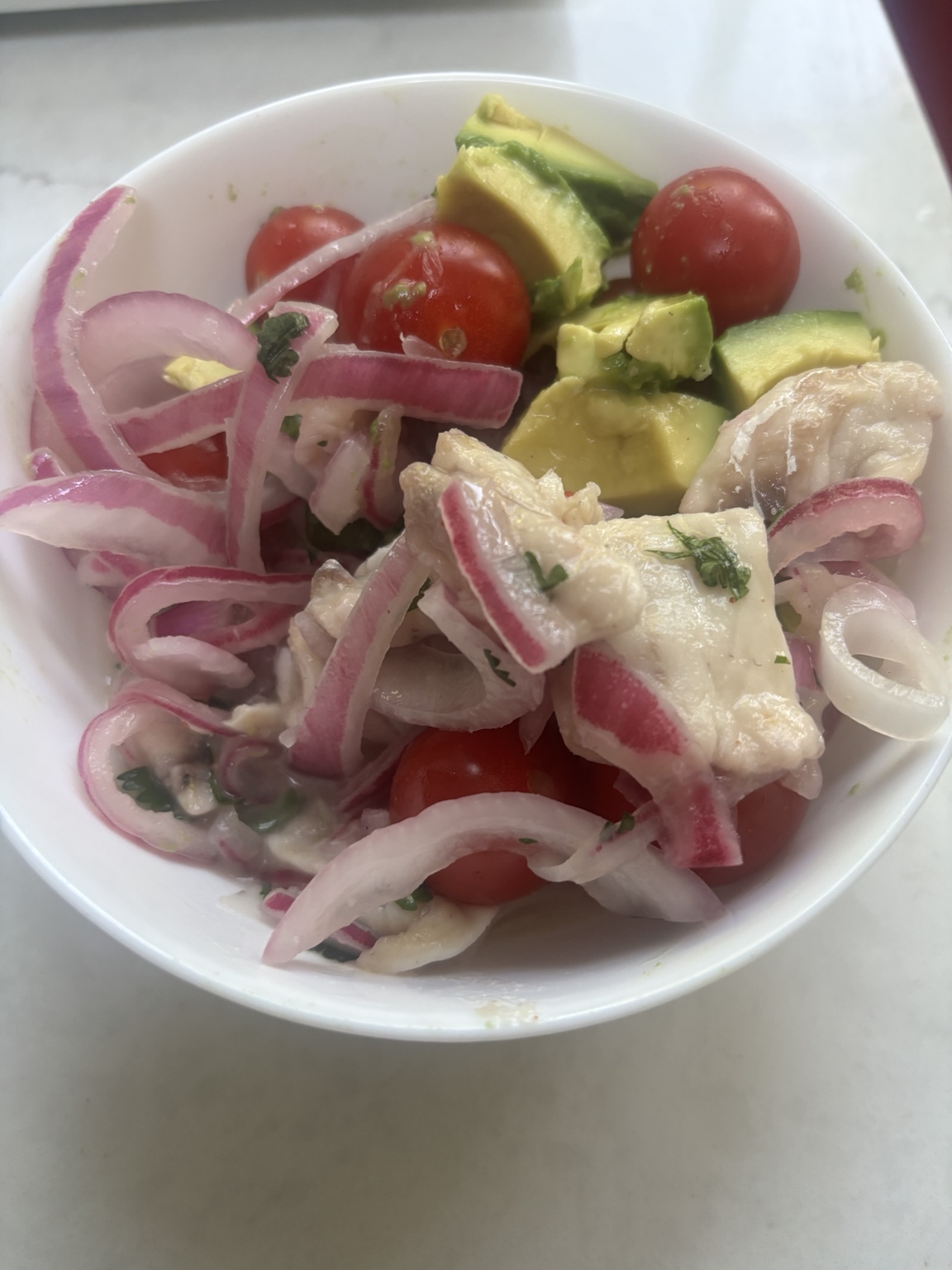
Why porgy works so well for ceviche
Porgy has the right profile for ceviche. It is mild, flaky, and clean tasting, but not so delicate that it disappears. The citrus gives it brightness, the red onion adds bite, the avocado adds richness, and the tomato makes the whole dish feel fresh and summery.
The best ceviche fish are not always the most famous fish. They are fish that are fresh, handled well, and cut properly. A porgy caught that morning on a party boat and kept cold can be far more satisfying than an expensive fish that has been sitting around too long.
That is one reason I like catch-to-table cooking. I know the trip. I know the fish. I know when it came over the rail. I know how quickly I got it home.
Start with very fresh, well-handled fish
Ceviche is simple, which means the fish quality matters. Use only fish you trust. Keep it cold. Work cleanly. Use clean knives, clean cutting boards, and clean hands. If the fish smells off, feels questionable, or was not kept cold, do not use it for ceviche.
Important: Citrus changes the fish's texture but does not reliably kill all parasites or pathogens. Use fish intended for raw preparation, follow local food-safety guidance, and do not serve raw or undercooked seafood to people at higher risk of foodborne illness.
I am careful about this. Citrus changes the texture and flavor of fish, but it is not magic. It does not turn questionable fish into safe fish. Use good judgment.
When I make porgy ceviche
I am most likely to make porgy ceviche after a strong party boat trip, especially when we have enough fish to use the catch several different ways. If we come home with only one or two fish, I may cook them whole. If we come home with a cooler full, I start dividing the catch mentally.
Some fish stay whole for grilling or roasting. Some fillets become tacos. Some get fried. Some get vacuum sealed. The freshest, nicest smaller fillets are great candidates for ceviche.
Ceviche is usually an early-use dish. I do not want to wait days. I want to make it while the fish still feels like part of the same trip.
A Simple Starting Ratio
For about 1 pound of cleaned porgy, start with enough fresh lime juice to coat the pieces thoroughly, then add roughly 1/4 to 1/2 cup finely cut red onion, one diced tomato, one avocado, herbs, chile, and salt to taste. Adjust the vegetables rather than drowning the fish in liquid.
Basic porgy ceviche ingredients
Ingredients
- Fresh porgy fillets, skinned and checked carefully for bones
- Fresh lime juice
- Optional lemon juice or orange juice for balance
- Red onion, finely diced or thinly sliced
- Tomato, diced
- Avocado, diced
- Cilantro or another fresh herb you like
- Jalapeno or another mild chile, optional
- Salt
- Black pepper, optional
- Tortilla chips, tostadas, crackers, or lettuce cups for serving
How to cut the porgy
Cut the fish into small, even pieces. Do not leave giant chunks. Smaller pieces cure more evenly and are easier to eat with chips or tostadas. This is one reason smaller porgy fillets work well. They naturally lend themselves to bite-size prep.
Check for bones as you cut. Porgies can be bony, and ceviche is not the place to discover a pin bone. Take your time. If kids are eating it, be even more careful.
How long to cure the fish
The exact timing depends on the size of the pieces and your preferred texture. Smaller pieces cure faster. I like the fish to turn opaque and firm up, but I do not want it sitting so long that it becomes chalky.
Start checking after a short cure and adjust from there. If you cut the fish very small, the citrus works quickly.
Step-by-step method
Method
- Keep the porgy fillets cold until you are ready to use them.
- Cut the fillets into small, even pieces and check carefully for bones.
- Place the fish in a nonreactive bowl.
- Add enough fresh lime juice to coat and mostly cover the fish.
- Add a small amount of salt.
- Refrigerate while the citrus firms the fish.
- Drain off some excess citrus if the mixture tastes too sharp.
- Fold in red onion, tomato, avocado, herbs, and chile if using.
- Taste and adjust salt, citrus, and heat.
- Serve cold with chips, tostadas, crackers, or a simple salad.
Why avocado belongs here
Avocado works especially well with porgy ceviche because the fish is lean and mild. The avocado adds richness and makes the dish feel more complete. It also helps balance the sharpness of the citrus and onion.
When I make ceviche, I like that mix of clean fish, bright citrus, creamy avocado, and fresh tomato. It tastes like summer and fishing at the same time.
Tomato, onion, herbs, and heat
Tomato adds freshness and a little sweetness. Red onion adds crunch and bite. Cilantro is the obvious herb, but you can adjust depending on what you like. A little chile gives heat without taking over.
The goal is balance. You should still taste the fish. If the dish only tastes like lime and onion, you have buried the porgy.
How to serve porgy ceviche
Porgy ceviche works as a starter, lunch, or part of a larger catch-to-table dinner. Serve it with tortilla chips, tostadas, crackers, or lettuce cups. It also works alongside grilled whole porgy or fish tacos if you are turning a large catch into several dishes.
After a party boat trip, I like the idea of serving ceviche before a cooked fish dinner. It shows two completely different sides of the same catch.
What this dish says about porgy
This is one of the dishes that makes me push back hardest against the idea that porgies are trash fish. A trash fish does not become a bright, clean ceviche that people keep going back to.
Porgy ceviche makes the fish feel fresh, local, and useful. It is not a consolation prize. It is one of the reasons I am happy to bring legal porgies home.
Common mistakes
- Using fish that is not fresh enough. Use your best fish, not the fish you are unsure about.
- Cutting pieces too large. Smaller, even pieces cure better and eat better.
- Leaving bones in. Check carefully.
- Over-curing. Too much time in citrus can make the texture less pleasant.
- Adding too much onion or lime. Balance matters.
- Serving it warm. Keep it cold.
Can you make it from frozen porgy?
For ceviche, I prefer very fresh fish from the same day. Freezing can be part of safe fish handling in some raw-fish contexts, but home freezing and seafood safety are not something to guess about. If I am unsure, I cook the fish instead.
Frozen porgy is great for tacos, fried fish, pan-cooked fillets, and other cooked dishes. For ceviche, I want the freshest and best-handled fish available.
My honest take
Porgy ceviche is not just a recipe. It is one of the best examples of why porgies deserve more respect. The fish is mild, clean, and versatile. It can be a whole grilled dinner one night and a bright ceviche the next.
If you come home from a Long Island party boat with fresh legal porgies, set aside a few good fillets for ceviche. It may become one of your favorite uses for the catch.