How to Cook Porgy
After years of catching porgies around Long Island, I've learned something that still surprises people: porgy is one of the most underrated eating fish in the Northeast.
Ask ten anglers about porgies and you'll hear plenty of discussion about bait, rigs, and fishing spots. Ask what happens after the fish comes home and the conversation often gets much shorter.
That's a mistake because the catch-to-table side of porgy fishing is one of the biggest reasons I keep doing it.
The First Porgy That Changed My Mind
The first memorable porgy I ate wasn't one I caught myself.
It was served at a local Greek restaurant on Long Island. The fish was whole, broiled, and served with tomatoes, cucumber, olive oil, vinegar, and fresh oregano.
It was incredibly simple.
It was also incredible.
That meal changed the way I thought about porgy. Instead of seeing it as a common local fish, I started seeing it as something similar to the whole fish people happily order in Mediterranean restaurants.
Why Porgy Is So Good To Eat
Porgy is mild, flaky, versatile, and easy to cook. It works whole. It works as fillets. It works grilled, roasted, fried, and in ceviche.
Unlike some stronger fish, porgy adapts to many different styles of cooking.
That's one reason a successful fishing trip can produce several completely different meals.
My Favorite Way To Cook Porgy
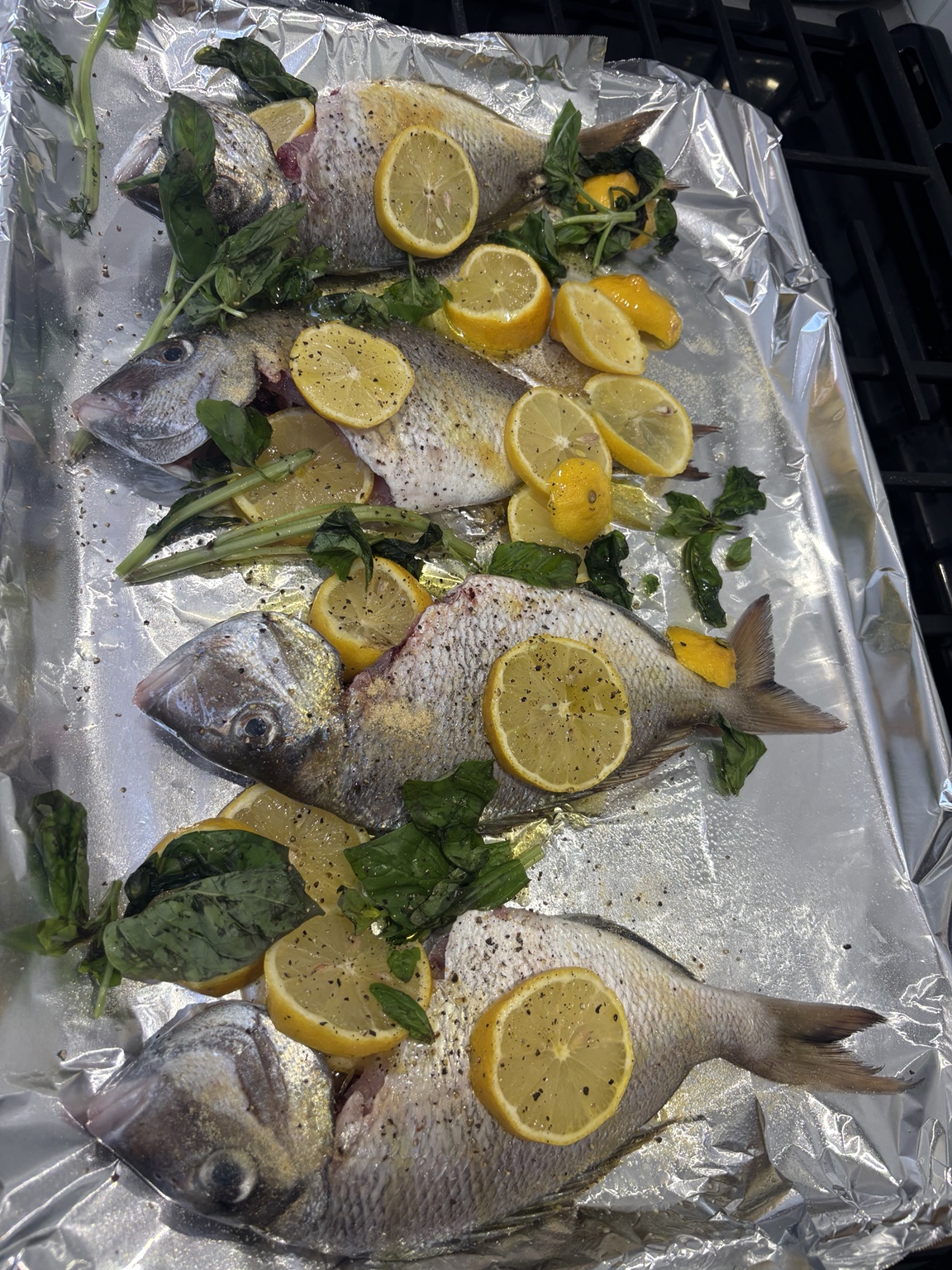
If I could only choose one preparation, I would cook the fish whole.
Lemon. Rosemary. Garlic. Olive oil. Salt and pepper.
That's usually enough.
The fish stays moist, the flavor comes through, and the meal feels like something you would happily order at a restaurant.
Whole Roasted Porgy
For whole fish, I like keeping things simple. The cavity gets stuffed with lemon slices and herbs. Olive oil goes over the outside. Then the fish is roasted or grilled until the flesh flakes easily.
The beauty of this approach is that it highlights the fish rather than hiding it.
Porgy Ceviche
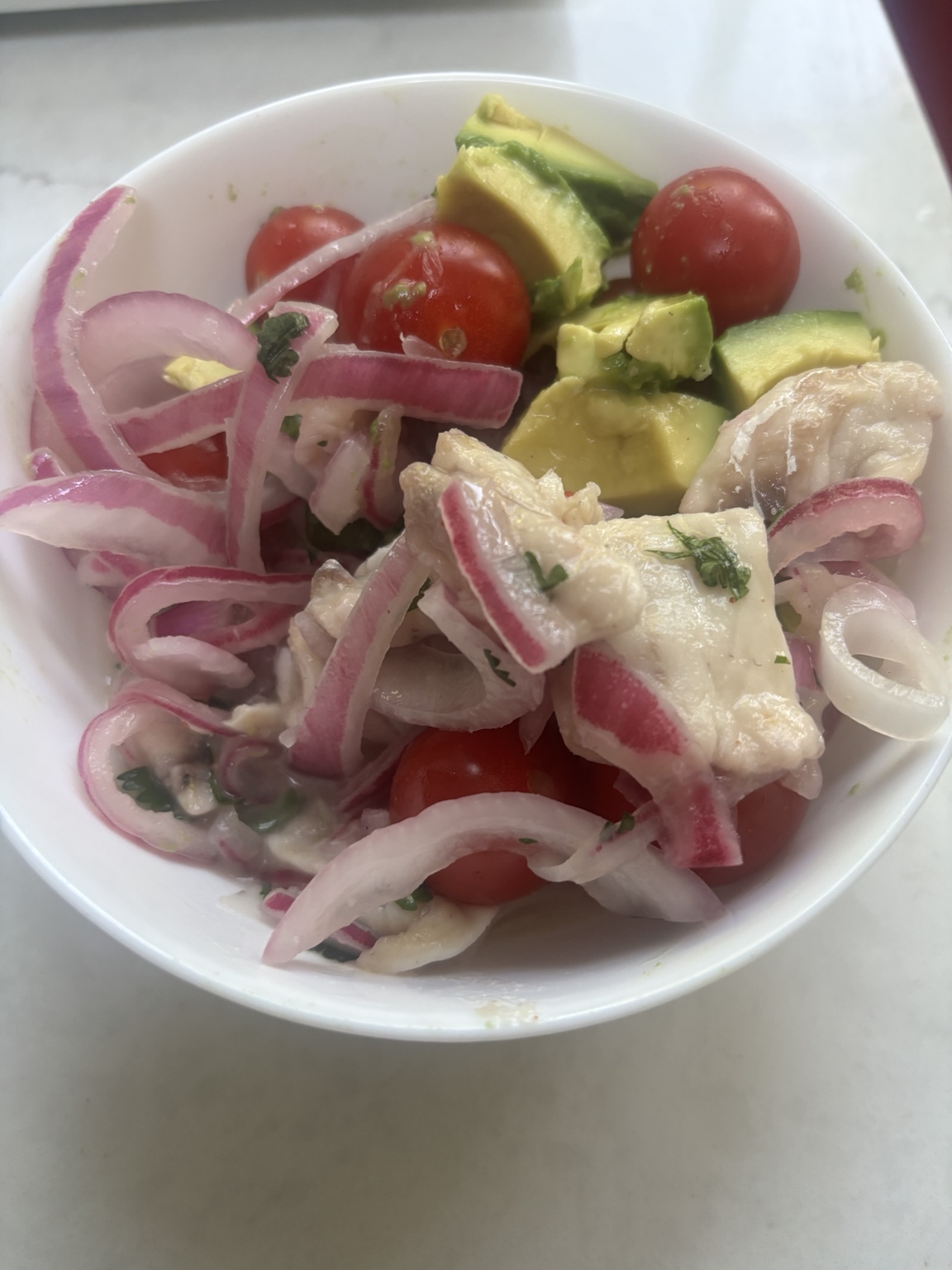
Ceviche surprises people because they do not usually associate porgies with raw preparations.
Fresh fillets, citrus, red onion, avocado, tomatoes, and herbs create something bright and refreshing.
When the fish is fresh and handled properly, ceviche becomes one of the first things I think about after a successful trip.
Porgy Fish Tacos
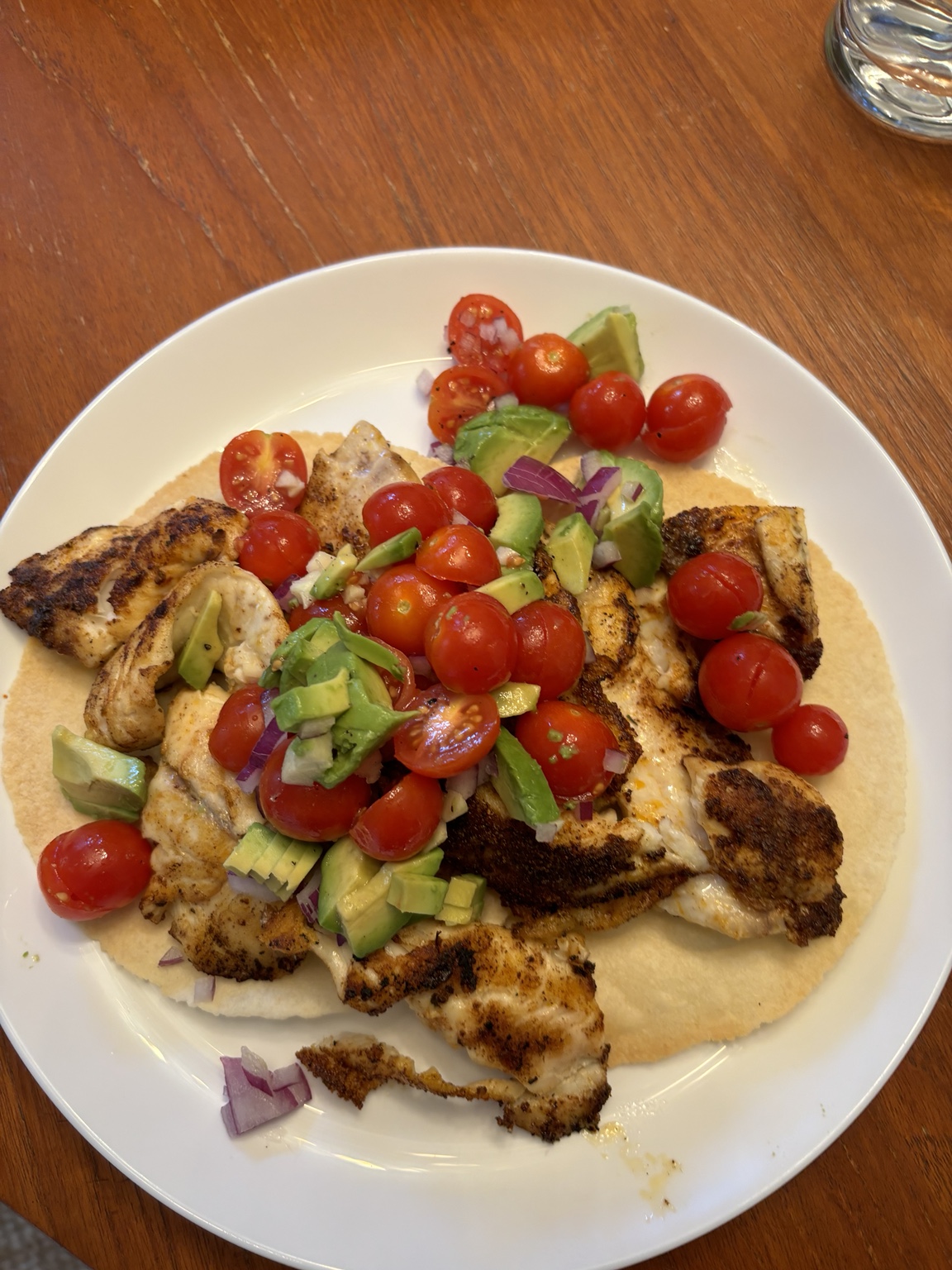
Fish tacos are another favorite because they are flexible.
Avocado, lime, tomato, onion, slaw, and spices all work well. Porgy is mild enough to absorb flavor without disappearing beneath it.
For families, tacos are often one of the easiest ways to introduce people to fresh fish.
The Beer-Battered Nugget Project
The most memorable cooking experience we've had with porgies came after an exceptional fishing season.
We had so many fish that we decided to turn part of the catch into beer-battered porgy nuggets.
What started as cooking dinner turned into a family project.
One person handled trimming fillets. Another mixed batter. Another managed frying. We used avocado oil because we wanted a cleaner-tasting result.
Once the fish was cooked, everything moved to cooling racks and paper towels.
Then the real production line began.
We counted portions, loaded vacuum-seal bags, labeled them, and stacked them in the freezer.
The entire kitchen became part of the process.
Vacuum Sealing And Freezing
Vacuum sealing changed how I think about keeping fish.
Instead of worrying about using everything immediately, we could preserve meals for later.
The fried porgy nuggets lasted through much of the winter.
Whenever we wanted them, we pulled a bag from the freezer and reheated them in the air fryer.
Every batch felt like reopening a fishing memory.
Cooking For Neighbors
One unexpected benefit of successful porgy fishing is that it becomes easy to share.
Our neighbors genuinely get excited when we come home with a big catch.
Fresh fish is a gift many people appreciate, and sharing some of the catch has become part of the tradition.
Why I Don't Understand The Trash Fish Label
Some anglers dismiss porgies as trash fish.
I have never understood that view.
Fresh porgy cooked correctly tastes excellent. Whole fish preparations can rival restaurant meals. Ceviche is outstanding. Fish tacos are outstanding.
The fact that porgies are common should be viewed as a strength, not a weakness.
They are accessible, sustainable, versatile, and delicious.
Cooking After A Great Fishing Day
Part of what makes cooking porgies special is that the meal is connected to a real experience.
You remember the harbor.
You remember the captain.
You remember the first fish.
You remember the ride home.
The food becomes an extension of the fishing trip itself.
What I Recommend First
If you've never cooked porgy before, start with a whole fish and keep the recipe simple.
Use lemon, herbs, olive oil, garlic, salt, and pepper.
Learn what the fish tastes like before trying more complicated preparations.
Once you appreciate that, move on to ceviche, tacos, and frying.
Final Thoughts
For me, porgy fishing and porgy cooking are inseparable.
The fishing creates the memories.
The cooking extends them.
Months later, a frozen bag of porgy nuggets or a plate of fish tacos can bring you right back to the boat, the harbor, and the day the fish were caught.