The Best Porgy Meal I Ever Had
The best porgy meal I ever had was not the fanciest one. It was not the most restaurant-looking plate. It was not even the first great porgy meal I remember eating. The best one was the time my family turned a big Long Island porgy catch into beer-battered porgy nuggets, vacuum sealed them, and kept eating that same summer fishing trip all winter long.
That meal sticks with me because it was not just dinner. It was the final chapter of the whole trip: the early alarm, the drive to the dock, the boat ride, the bite turning on, the cooler filling up, the fish cleaning, the shower when we got home, and then the family kitchen project afterward.
That is what makes porgy fishing different for me. The trip does not end when the fish comes over the rail. It does not even end when the boat gets back to Greenport. It keeps going in the kitchen, at the dinner table, in the freezer, and sometimes months later when we reheat something we caught ourselves.
The first porgy meal that changed my opinion
Before I ever had a freezer full of porgy nuggets, the fish had already surprised me once.
The first porgy meal I really remember was at a local Greek restaurant on Long Island. The place was nice but casual, and they usually had a local fish special on the menu. One night, the fish was porgy, served whole.
It was incredibly simple: whole fish, sliced tomatoes, cucumber, olive oil, vinegar, and fresh oregano.
That was it.
No heavy sauce. No fried coating. No complicated restaurant trick. Just fresh fish prepared the way good whole fish should be prepared.
I remember being surprised by how good it was. The meat was mild, clean, flaky, and fresh. It reminded me of the kind of whole fish people order at Greek or Mediterranean restaurants and happily pay a lot more for when it is called branzino or sea bream.
That meal planted the idea that porgy was not a throwaway fish. It was a fish worth cooking well.
Why whole porgy made me respect the fish
If someone tells me porgies are trash fish, I always wonder if they have ever eaten one whole, cooked simply.
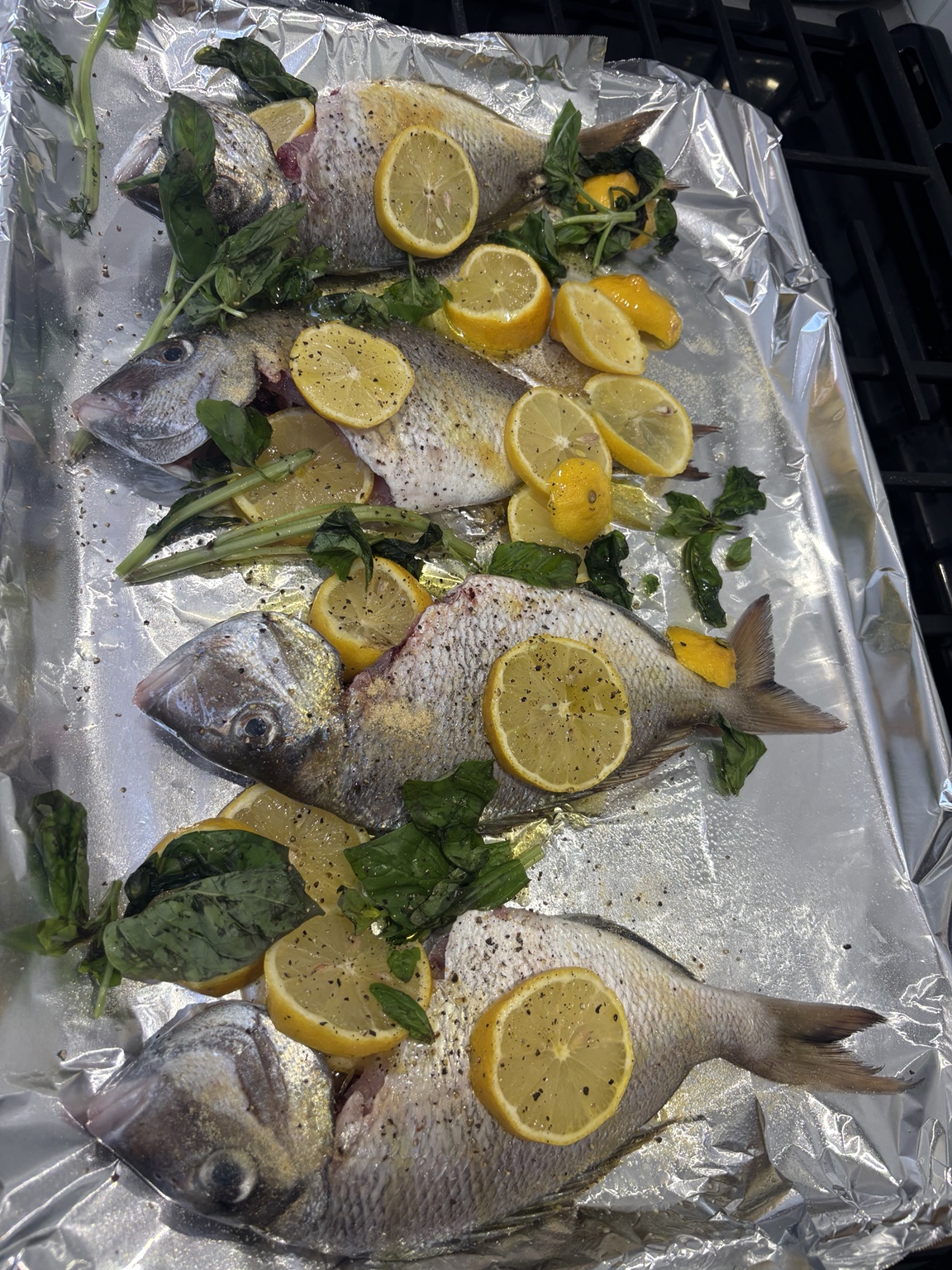
Whole porgy is one of the best arguments for the fish. Clean it, season it, add lemon, rosemary or oregano, garlic, olive oil, salt, and pepper, and cook it on the grill or in the oven. It does not need much else.
That style of cooking lets the fish taste like fish. When porgy is fresh, that is a good thing.
I would not say porgy is exactly the same as branzino, but the eating experience can be very similar: whole fish, crisp skin, mild white meat, herbs, lemon, olive oil, and a meal that feels much more special than the fish's reputation suggests.
But the best meal was the family project
The restaurant porgy changed my opinion. The family porgy nugget project is the meal I remember most.
It happened after a successful stretch of porgy fishing. We had caught enough fish that the question was no longer, "What should we make for dinner tonight?" It was, "What are we going to do with all this fish?"
That is a very different kind of problem.
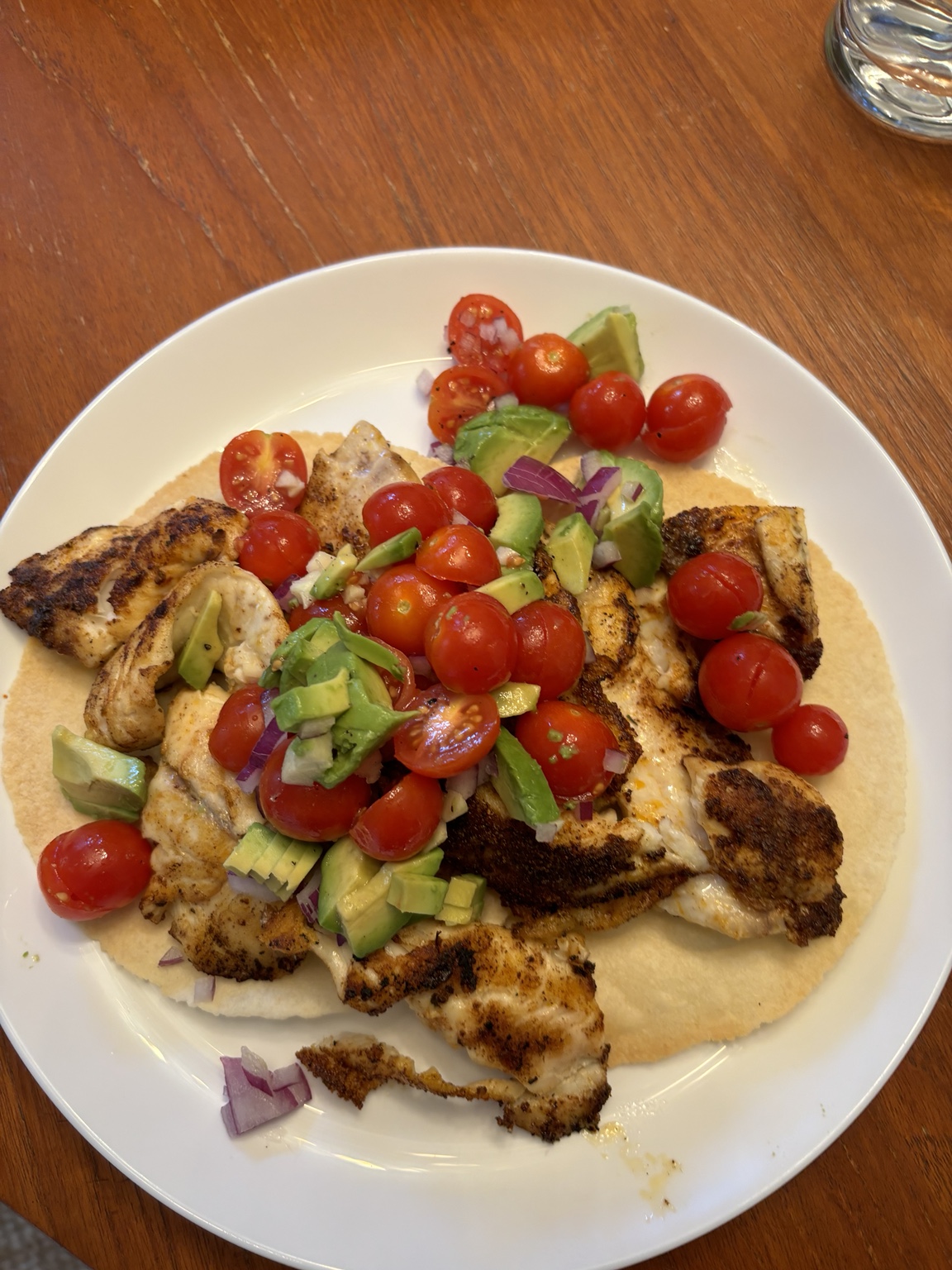
When you come home with a small catch, dinner is simple. When you come home with a cooler full of porgies, you need a plan. Some can be cooked whole. Some can become ceviche. Some can become tacos. Some can be given away. Some can be frozen.
This time, we decided to turn a big batch into beer-battered porgy nuggets.
The kitchen became a production line
What I remember most is how the whole kitchen turned into a project.
We set up stations. One area was for checking the fillets and removing bones. Another was for dredge and batter. Another was for frying. Another was for cooling and packing.
It felt less like making a quick dinner and more like processing the result of a successful fishing season.
Everyone had a role. That is why the memory stayed with me.
- Someone checked the fillets.
- Someone helped with the batter.
- Someone watched the fried pieces come out.
- Someone handled paper towels and cooling.
- Someone helped count portions for vacuum-sealing.
- Someone labeled bags for the freezer.
It was a family project from start to finish.
Why we used avocado oil
We deep fried the porgy pieces in avocado oil. Part of that was practical: avocado oil can handle high heat. Part of it was that we were trying to make a fried fish project feel a little bit better than the usual heavy fry-night situation.
I am not pretending deep-fried fish is health food. It is still fried fish. But using good oil, fresh fish, and small pieces made the whole thing feel clean and satisfying.
The porgy worked extremely well. The fillets held together, the batter crisped, and the mild fish took the coating without disappearing under it.
Why porgy works so well fried
Some fish are too delicate for this kind of treatment. Porgy is mild, but it is sturdy enough to handle battering and frying.
That is one of the reasons I keep saying porgies are underrated. They can be cooked whole like a Mediterranean restaurant fish, but they can also turn into fried nuggets, tacos, and freezer meals.
That versatility is valuable.
If I bring home fillets, I know I have options. I am not locked into one preparation.
The vacuum sealer came out
After the fish came out of the oil, we let it cool on paper towels. Then the next stage started: vacuum sealing.
That part is what turned the meal into something bigger.
We portioned the cooled fried porgy into meal-sized amounts. We put them into bags. We sealed them. We labeled them. We stacked them in the freezer.
It felt organized and satisfying. The kind of satisfying that comes from knowing a day on the water is going to feed your family more than once.
A lot of people think of a fishing trip as a one-day experience. This made it feel longer. The fish became dinner that night, but it also became future dinners.
Dinner that night
We saved the last batch for dinner.
That first meal was excellent. Fresh fried porgy after a day of catching, cleaning, cutting, battering, frying, and packing tasted better because we had all worked for it.
That matters. Food tastes different when you participated in every stage.
We did not just buy fish. We caught it. We brought it home. We processed it. We cooked it. We packed the rest. Then we sat down and ate it.
That full chain is the reason I like catch-to-table fishing so much.
Eating summer in the middle of winter
The best part came months later.
All winter long, we pulled vacuum-sealed bags of porgy nuggets from the freezer and reheated them in the air fryer. They were easy, fast, and still good.
Every time we ate them, it felt like getting a little piece of summer back.
That is not just a recipe. That is a memory preserved in the freezer.
It reminded us of the boat, the catch, the kitchen project, and the day we all worked together.
Why this meal beat the restaurant meal
The Greek restaurant porgy was probably the better pure fish dish. It was simple, elegant, and perfectly suited to the fish.
But the porgy nugget project was the better memory.
That is the difference between a meal and a story.
The restaurant meal taught me that porgy could be excellent. The family meal taught me why catching your own fish feels different.
One was about flavor. The other was about the whole process.
What this meal says about porgy
This meal also explains why I do not understand the "trash fish" label.
A trash fish does not become a Greek restaurant special.
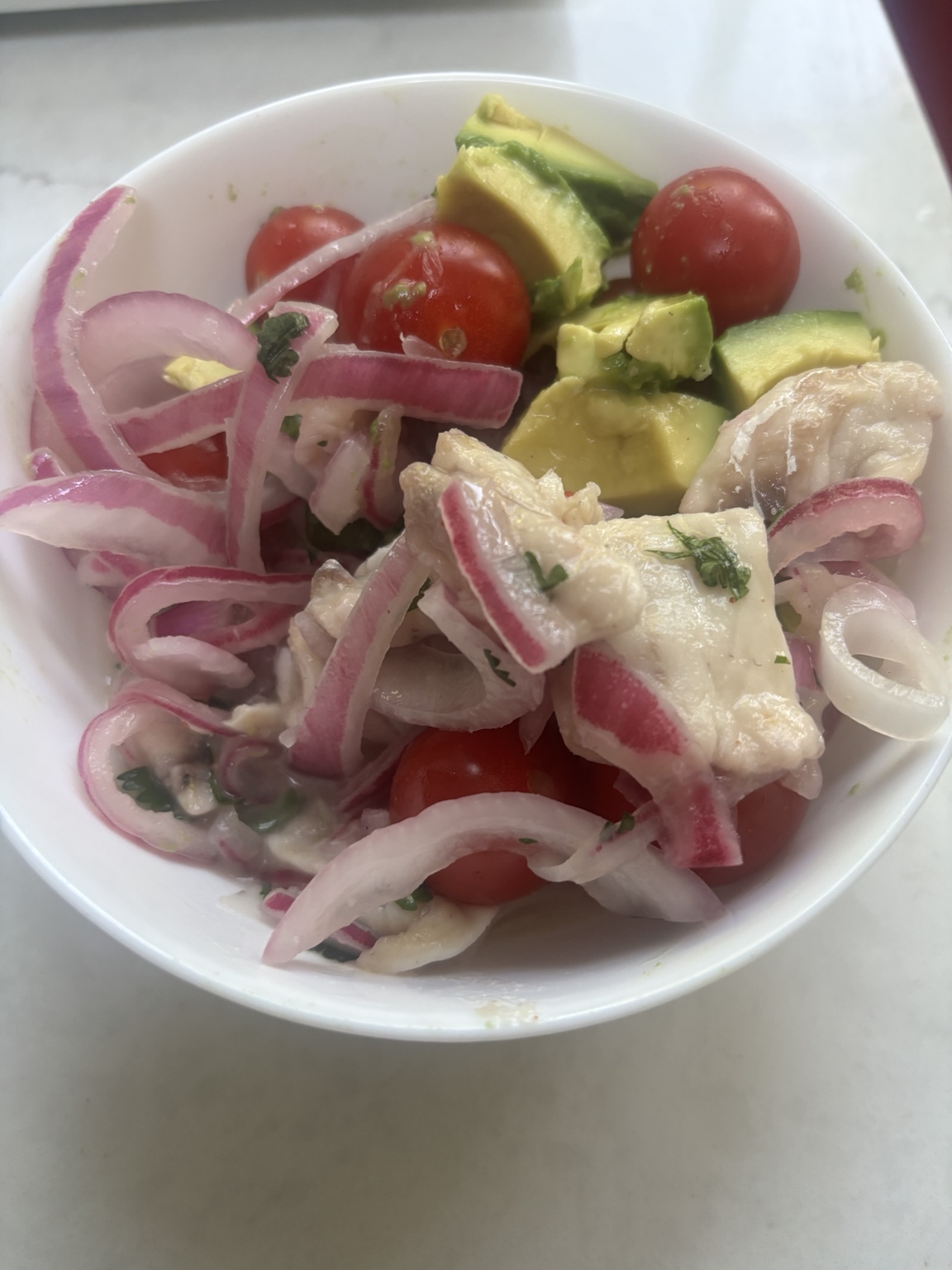
A trash fish does not become ceviche you are excited to make again.
A trash fish does not become beer-battered nuggets that your family vacuum seals and eats all winter.
A trash fish does not make neighbors happy when you bring them some.
Porgy does all of that.
My favorite porgy meals, ranked
If I had to rank my favorite ways to eat porgy, I would probably put them in this order:
- Porgy ceviche — fresh, bright, and one of the best uses for smaller fillets.
- Whole grilled or roasted porgy — lemon, herbs, garlic, olive oil, and simple sides.
- Beer-battered porgy tacos or nuggets — especially when you have a lot of fillets.
- Pan-cooked fillets with butter and lemon — simple and fast.
The exact order changes depending on the day, but those are the preparations I come back to.
What I would tell someone with a fresh catch
If someone came home from a party boat with porgies and asked me what to cook first, I would ask how the fish were cleaned.
If they kept them whole, I would tell them to cook at least one with lemon, herbs, garlic, olive oil, salt, and pepper. Keep it simple. Do not bury the fish.
If they had fillets, I would tell them to make ceviche if the fish was very fresh and handled properly, or tacos if they wanted something easy and family-friendly.
If they had a lot of fillets, I would tell them to think about the freezer. Vacuum sealing can turn one good trip into many future meals.
The lesson from the best porgy meal
The best porgy meal I ever had was not really about technique.
It was about the whole catch-to-table experience.
It was about a day on the water turning into a family kitchen project. It was about everyone helping. It was about eating some fresh and saving some for later. It was about opening the freezer months later and remembering the trip.
That is why porgy fishing means more to me than just catching fish.
The fish is only part of the story.
The best part is what happens after you bring it home.