Best Tide for Porgy Fishing
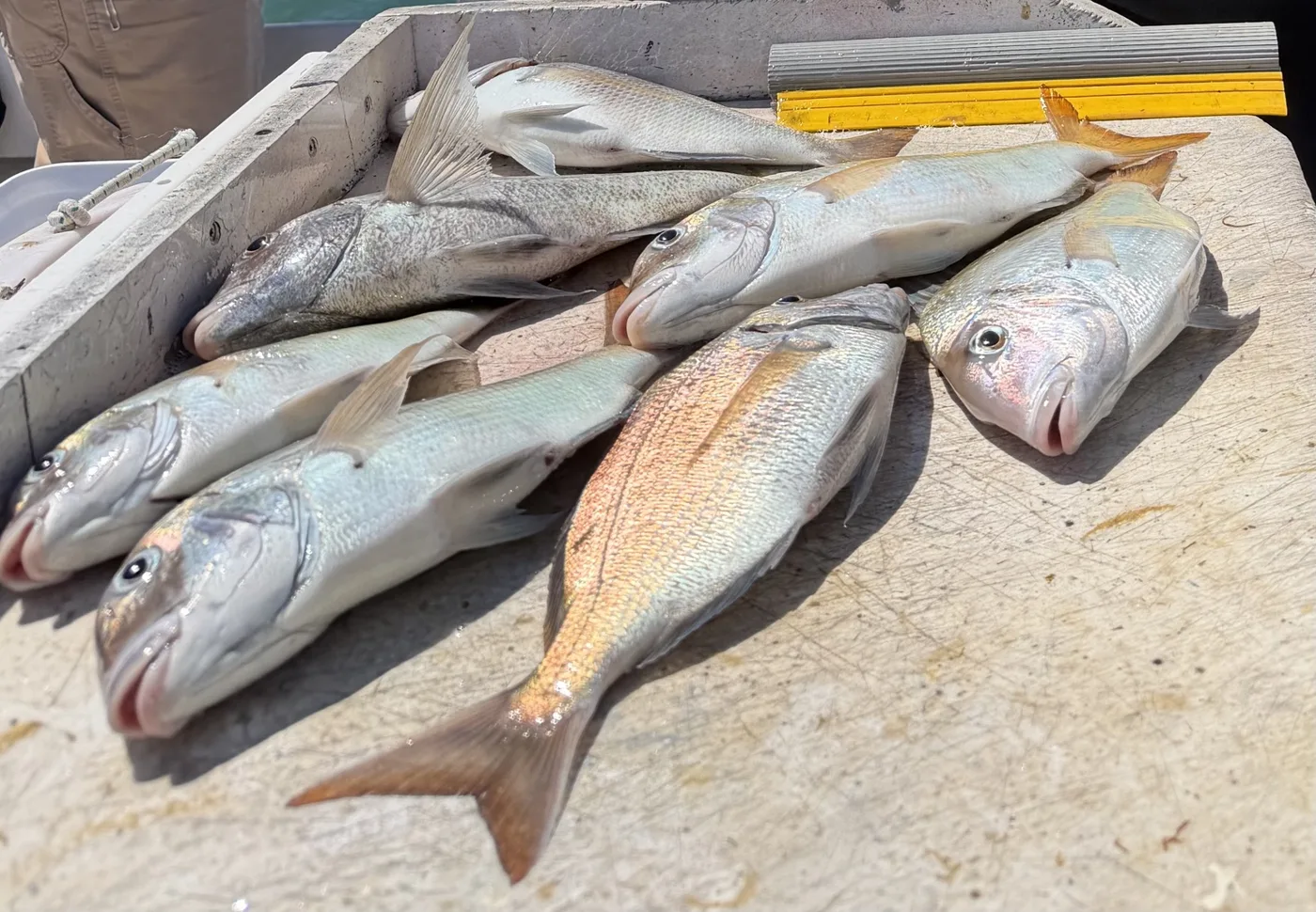
The best tide for porgy fishing is not something I would reduce to one magic answer. For beginners, the more useful question is whether the conditions allow you to fish correctly.
Porgies are bottom fish. If the tide and current make it impossible for you to keep bait near the bottom, you are going to struggle no matter what bait you use.
Why Tide Matters
Tide affects current. Current affects how your line angles, how much sinker weight you need, and whether your bait stays in the strike zone.
If the current is too strong and your weight is too light, your bait may not be fishing effectively. You might think you are fishing bottom, but your rig may be sweeping away from where the fish are feeding.
Bottom Contact Comes First
Before worrying about the perfect tide, learn to feel bottom. Drop until the sinker touches down. Then keep enough contact to know where your rig is.
You do not want to drag constantly, but you do want to stay close enough to the bottom that porgies can find the bait.
Too Much Current vs Too Little Current
Too much current can make fishing difficult, especially for beginners. Too little movement can also be slow if the fish are not feeding.
The practical sweet spot is enough movement to keep fish active, but not so much that people cannot hold bottom.
Listen to the Crew
On a party boat, the crew sees what is happening across the rail. If they start telling people to go heavier or change how they are fishing, listen.
They are not just giving random advice. They are responding to tide, drift, depth, and what they see anglers doing.
Do Beginners Need to Plan Around Tide?
If you are booking a party boat, I would not obsess over tide charts as a beginner. Choose a good boat, bring the right gear, and let the captain handle the bigger timing and location decisions.
As you gain experience, tide becomes more interesting. But on your first few trips, technique matters more.
My Bottom Line
The best tide for porgy fishing is the tide you can fish properly. Use enough weight, keep bait near the bottom, check bait often, and listen to the crew.
That practical approach will help more than trying to memorize one perfect tide window.
Don't Let Tide Charts Intimidate You
Beginners sometimes think they need to become amateur oceanographers before going fishing. You don't. A good party boat captain has already done that homework.
Incoming vs Outgoing Tide
If forced to choose only one, many anglers would pick the first half of the incoming tide. Moving water often pushes food toward structure and keeps fish active.
Slack Tide
Slack tide can slow the bite considerably. When the current stops completely, porgies sometimes become less aggressive and boats may reposition.
Wind Against Tide
Strong wind opposing current can make presentations difficult and affect boat positioning. Sometimes tide matters less than being able to keep bait near bottom effectively.
Party Boat Reality
On a party boat, tide is important but not everything. Experienced captains frequently reposition to stay on productive structure, which can reduce the impact of a less-than-perfect tide stage.
Shore Fishing Reality
Shore anglers generally feel tide changes more directly because they cannot move to a different piece of structure as easily as a boat can.
What Captains Watch
Experienced captains rarely look at tide in isolation. They also watch wind direction, current speed, water clarity, and how fish are positioned on structure that particular day.
Do Not Ignore Boat Position
The best tide still will not help much if the bait is not near the fish. On party boats, the captain and crew are constantly managing drift, anchor position, and current so anglers can present bait over productive bottom.
How Beginners Should Use Tide Information
Use tide as a guide, not an excuse. If the tide is not perfect, focus on fishing cleanly: stay near bottom, keep bait fresh, avoid tangles, and listen for crew instructions.