How to Catch Scup (Porgy)
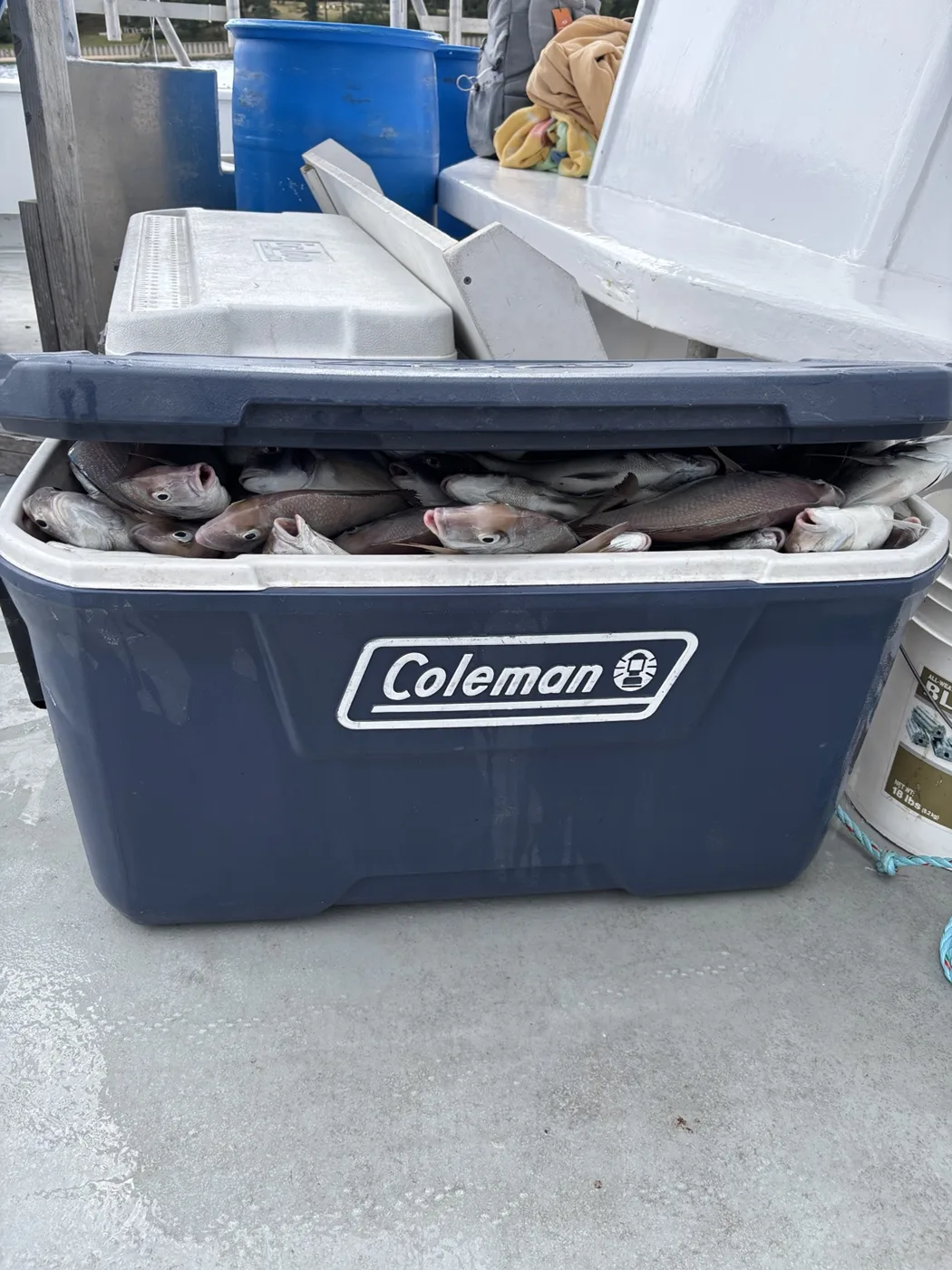
If someone asked me for the shortest possible explanation of how to catch porgies, I would say this: get your bait to the bottom, keep it near the bottom, and pay attention.
Porgies are one of the easiest fish for beginners to learn, but there are still a few tricks that make a huge difference.
Start With the Right Setup
I use a simple two-hook rig most of the time. The nice thing about a two-hook rig is that you can catch two fish at once.
That actually happens more often than many people think. On party boats they call it a double header. When two porgies are pulling in different directions, it feels like you hooked something much larger.
Get to the Bottom
The biggest mistake beginners make is not fishing near the bottom. Porgies are bottom feeders. If your bait is well above the fish, you are dramatically reducing your chances.
Drop the rig until the sinker reaches bottom. From there, keep contact with the bottom while still staying sensitive to bites.
Bounce, Don't Drag
I generally like to bounce the rig lightly off the bottom. You want the bait where the fish are feeding, but you do not want to be dragging constantly and getting tangled.
Think of it as maintaining contact rather than plowing the ocean floor.
Learn What a Bite Feels Like
Porgy bites are often quick taps. Sometimes they are aggressive. Sometimes they feel like little pecks.
The more fish you catch, the easier it becomes to recognize the difference between a bite, the sinker touching bottom, and the boat moving in the current.
Use Fresh Bait
Most of my porgies have been caught on clams. Squid is my second choice.
Porgies are very good at stealing bait. If you keep getting taps and are not hooking fish, check your bait. You may be fishing with an empty hook.
Do Fancy Rigs Matter?
Not much.
People sometimes assume there is a secret rig that catches all the fish. In my experience, porgy fishing is usually much simpler than that.
Good hooks, fresh bait, enough sinker weight, and staying near the bottom matter more than fancy terminal tackle.
Inspect Your Hooks
If a hook is bent or rusty, replace it.
That sounds obvious, but it is one of those small details that can cost fish.
I usually buy pre-tied rigs because they are convenient and easy to replace.
Use the Right Weight
The tide and drift determine how much weight you need.
If the sinker is too light, you may struggle to stay near the bottom. If the crew recommends changing weights, listen to them. They deal with these conditions every day.
Party Boats Make It Easier
One reason I recommend party boats to beginners is that they remove a lot of the guesswork.
The captain knows where the fish are. The crew helps with bait, rigs, tangles, and technique. Instead of searching for fish, you spend more time actually catching them.
Why Porgies Are Great for Beginners
Porgies provide action.
That matters.
A beginner can spend an entire day waiting for one large fish and get frustrated. With porgies, there is often enough activity to keep people engaged and learning.
That is why I recommend porgy fishing to kids, families, and anyone trying saltwater fishing for the first time.
My Bottom Line
To catch more porgies, keep your bait near the bottom, use fresh bait, pay attention to bites, and keep your gear simple.
A basic two-hook rig, clams, enough sinker weight, and a little patience will catch a lot of fish. Once you learn to recognize bites and maintain bottom contact, everything starts to get easier.