Best Hooks for Porgy Fishing
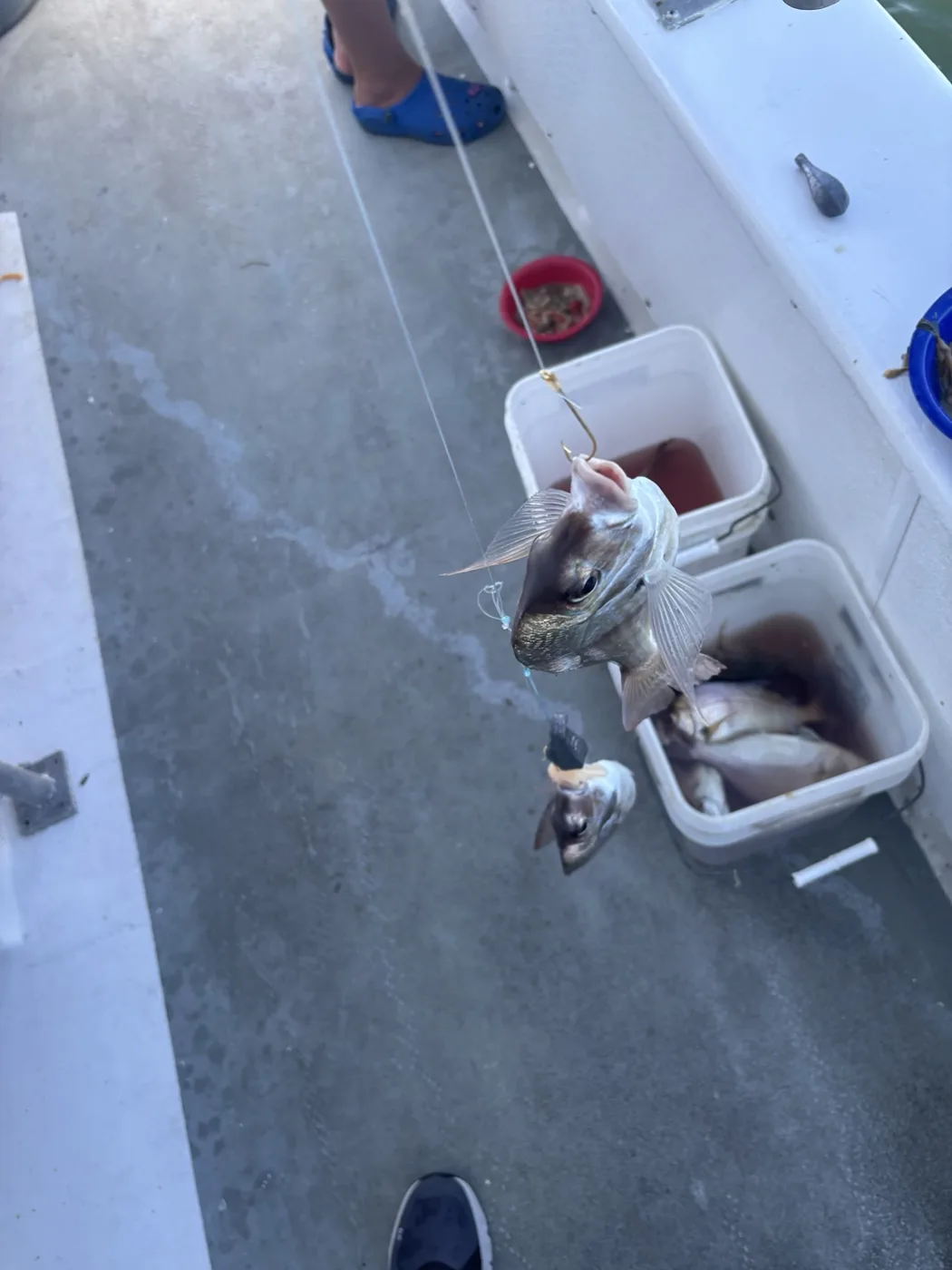
The best hooks for porgy fishing are not about finding a secret expensive option. They are about using hooks that are sharp, strong, clean, and the right size for the bait and fish you are targeting.
For most beginners, the easiest answer is a simple pre-tied two-hook rig from the boat, a local tackle shop, or a basic saltwater rig package.
Hook Condition Matters
If a hook is bent, rusty, dull, or questionable, replace it. That sounds obvious, but it is one of the easiest ways to lose fish unnecessarily.
Porgies are not huge, but they are active and quick. A poor hook can mean missed bites, lost fish, or frustration that looks like bad technique when it is really bad gear.
Why I Like Pre-Tied Rigs
I usually buy pre-tied rigs because they are convenient. If something gets tangled, damaged, or worn out, it is easy to switch.
On a party boat, simple and replaceable is a good thing. You do not want to spend half the trip rebuilding tackle when the fish are biting.
Two Hooks Are Practical
A two-hook rig gives you two chances and creates the possibility of a double header. When two porgies come up at once, it is exciting for beginners and kids.
It also makes the trip feel more active. You are not just waiting for one bait to get noticed.
Do Fancy Hooks Matter?
Not much for most beginners. Fresh bait, bottom contact, proper sinker weight, and paying attention matter more than fancy hooks.
That does not mean hooks do not matter. They do. But the basics matter most: not rusty, not bent, not dull, and matched to a practical porgy rig.
What About Kids?
For kids, I care more about simplicity and safety than experimentation. A basic rig, help from an adult or mate, and careful handling matter more than hook brand.
Hooks are sharp. Kids should not be rushed or left struggling when baiting or unhooking fish.
My Bottom Line
Use a simple two-hook rig with clean, sharp, undamaged hooks. If a hook looks questionable, replace it.
Porgy fishing is simple enough that you do not need to make the hook choice complicated. Good condition matters more than fancy design.
The Bent Hook Rule
If a hook is bent, I replace it. If it's rusty, I replace it. If it looks questionable, I replace it. Hooks are too cheap to risk a trip over.
Best Hook for Clams
Many anglers prefer a simple bait-holder style hook because it keeps clam baits secure during repeated drops.
Best Hook for Kids
Simple, sharp hooks in common sizes often outperform specialized options because they are easy to bait and replace.
Hooks I Avoid
Oversized hooks frequently reduce bites. Porgies have relatively small mouths compared with many saltwater species.
Sharpness Matters More Than Brand
A sharp, appropriately sized hook usually outperforms a premium hook that has become dull. Check points regularly, especially after catching multiple fish around hard structure.
Simple Often Wins
Porgy fishing is rarely a situation where complicated tackle dramatically outperforms proven basics.
Hook Shape vs Hook Size
Hook size gets most of the attention, but shape matters too. A hook that holds bait well and exposes the point cleanly is more useful than one that looks impressive in the package.
Check Hooks During the Trip
Porgy grounds often include hard bottom and structure. After repeated drops, the hook point can dull. If you start missing fish after catching steadily, check the hook before blaming the tide.
Beginner Recommendation
Start simple: a sharp bait-holder style hook in the common porgy range, matched to your bait size. Once you are catching, experiment from there.
Bring Extras
Hooks are cheap compared with the cost of the trip. Bring extras or extra pre-tied rigs so you are not trying to fish with a dull hook after several drops around rough bottom.