How to Clean Scup (Porgy)
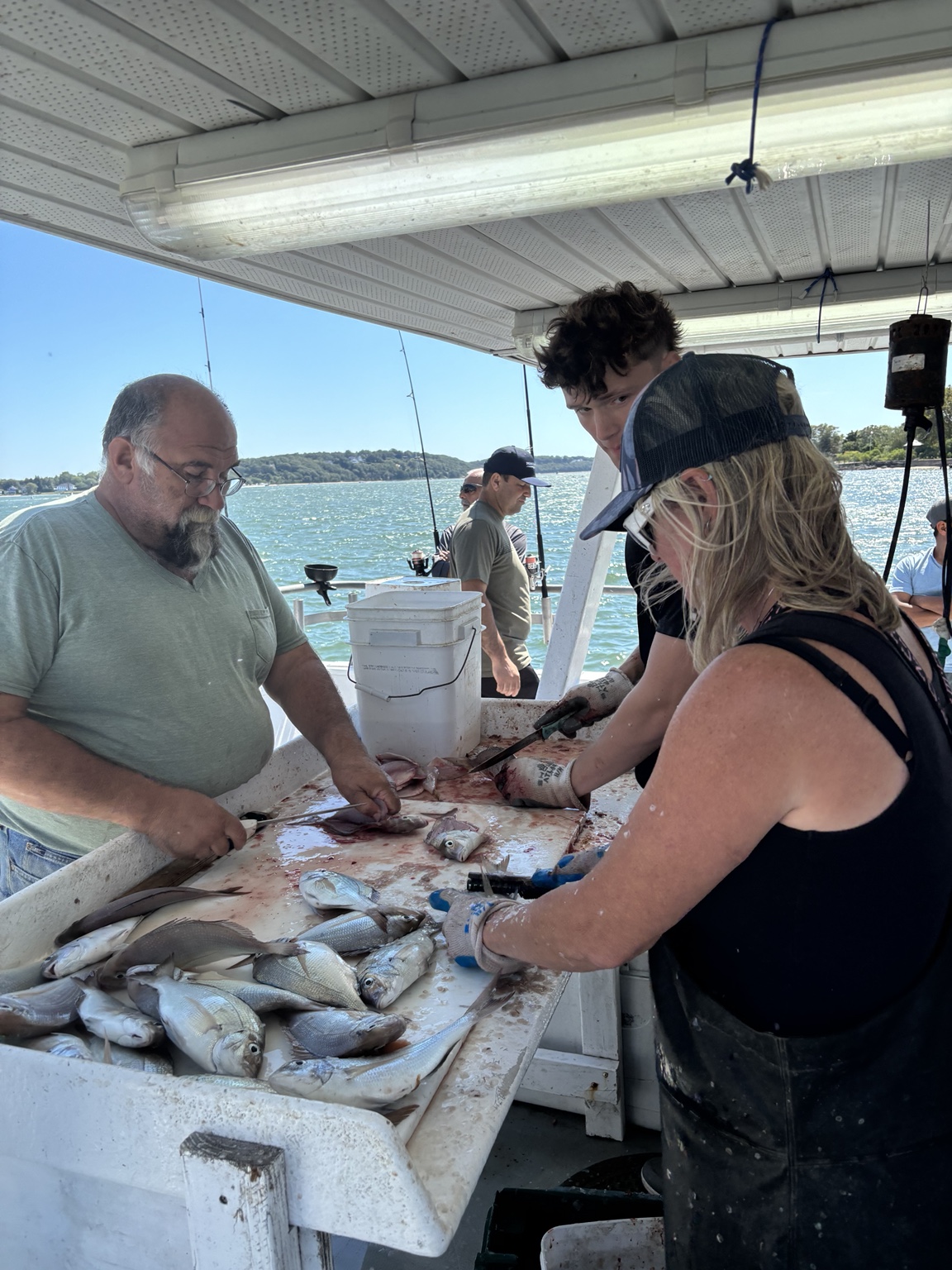
The first thing I tell beginners is that you do not necessarily need to clean your own fish right away.
If you are fishing on a party boat, the easiest option is often to have the crew clean them for you. On many boats there is an expectation that you'll tip the crew, and fish cleaning is part of the service.
What I Usually Do
If I bring home a larger catch, I usually keep the biggest one or two fish whole and have the rest filleted.
The whole fish are great for simple preparations with lemon, olive oil, and herbs. The fillets become tacos, nuggets, ceviche, or other meals later.
Party Boat Cleaning Is Worth It
If you are new to fishing, I would strongly consider using the boat cleaner when that service is available.
You already spent the day learning how to fish, bait hooks, untangle lines, and handle fish. There is no rule that says you also have to become an expert fish cleaner on day one.
Most party boat crews clean fish every day. They are fast, efficient, and generally do a much better job than most beginners.
Should Beginners Learn Anyway?
Yes.
Learning to clean fish is a useful skill. Eventually it becomes second nature and gives you more flexibility when you bring fish home.
The key is not expecting perfection immediately.
Learning the Process
The best way to learn is to watch someone else do it first.
A good video can teach the basic steps surprisingly quickly. Once you understand the sequence of cuts, it becomes much less intimidating.
The first few fish may feel awkward. After that it starts becoming routine.
How Long Does It Take?
For someone experienced, cleaning ten porgies does not take very long.
If you are simply working through them one at a time, maybe a minute or two per fish. Beginners naturally take longer and should not worry about speed.
Speed comes later.
The Biggest Beginner Mistake
The biggest mistake is expecting perfection.
Everybody leaves some meat behind on the first few fish. Everybody makes uneven cuts. Everybody wastes a little bit.
That is normal.
The goal is to learn the process. Efficiency comes later.
If You Really Hate Cleaning Fish
Some anglers simply do not enjoy cleaning fish.
That is okay too.
You can use simpler cleaning methods. You can have someone else clean them. You may waste a little more meat, but you can still end up with excellent meals.
Not every fisherman needs to become a fillet expert.
Cleaning vs Washing
One thing that often confuses beginners is the difference between cleaning and washing.
I clean fish right away, often on the boat. But I generally avoid rinsing them with fresh water immediately after catching them.
Instead, I wait until I am getting ready to cook them.
In my experience, that helps preserve quality during storage.
What Happens After Cleaning?
After the fish are cleaned, I decide what gets eaten immediately, what gets given away, and what gets frozen.
When we have a really big catch, some fish go to neighbors and friends. The rest get vacuum sealed and frozen for future meals.
Fresh fish is always best, but properly frozen porgy is still excellent for tacos, nuggets, and other recipes.
My Bottom Line
Cleaning scup is a useful skill, but it should not intimidate beginners.
If the crew offers cleaning, use it. If you want to learn yourself, watch a good demonstration, start slowly, and accept that your first few fish will not be perfect.
Like most fishing skills, it gets easier every time you do it.