Best Porgy Rod and Reel Setup
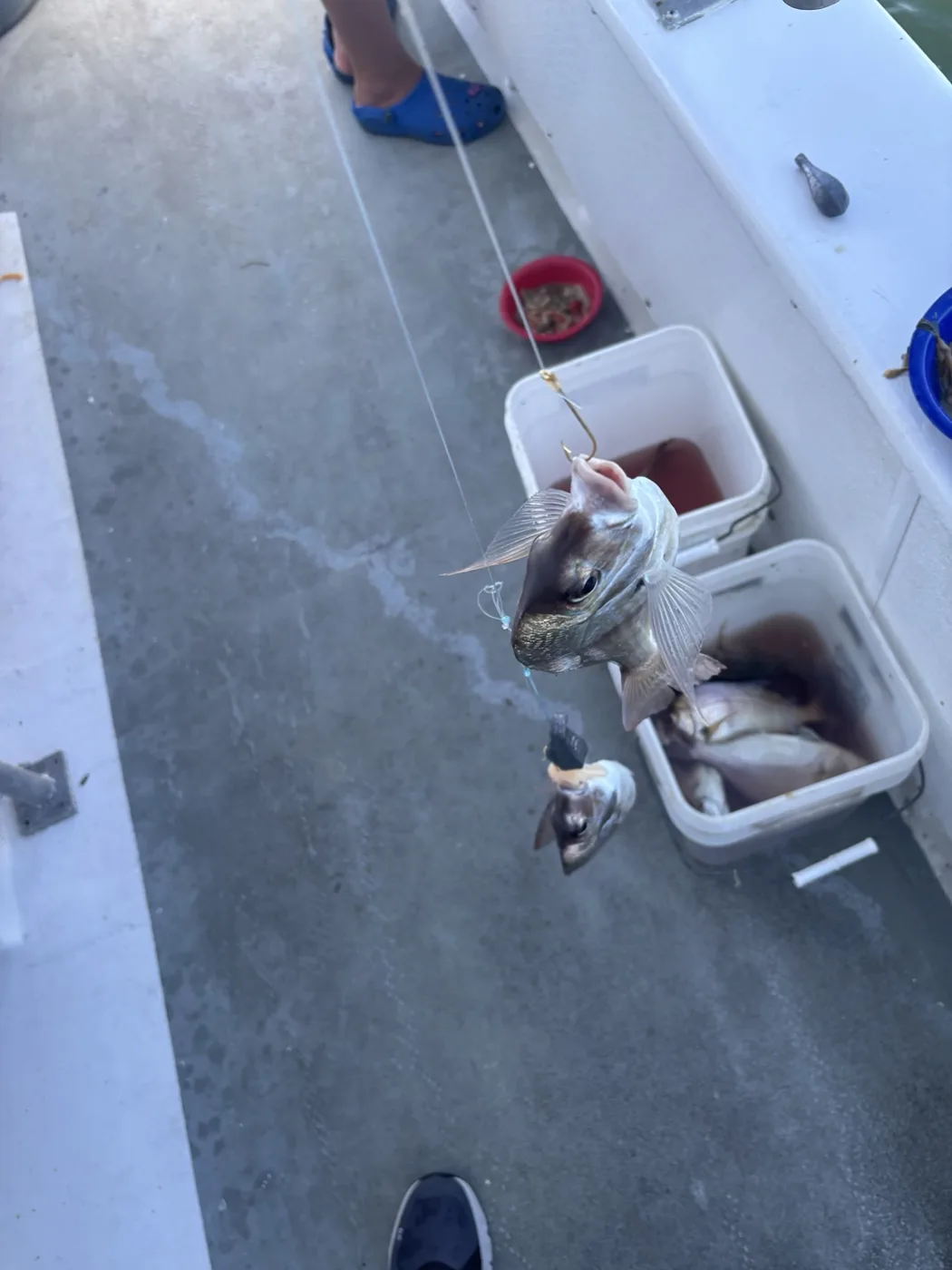
For most beginner porgy fishing, use a 6½- to 7½-foot medium or medium-heavy saltwater rod with a dependable spinning or conventional reel, 15- to 30-pound line, and enough sinker weight to hold bottom. You do not need expensive gear. Comfort, bottom contact, and a simple two-hook rig matter more than brand or price.
For a first party-boat trip, renting is completely reasonable. After a few trips, buy your own setup only if you want a lighter, more comfortable rod or prefer a particular reel style.
Practical Beginner Setup
| Part | Starting point |
|---|---|
| Rod | 6½–7½ ft, medium or medium-heavy |
| Reel | Saltwater spinning or small conventional |
| Main line | 15–30 lb mono or braid |
| Rig | Simple two-hook porgy rig |
| Hooks | #2 or #1 as a general starting point |
| Sinker | Whatever weight holds bottom in the current |
The Party Boat Reality
One of the best pieces of evidence that porgy fishing does not require fancy gear is that people catch plenty of porgies on rental rods. Party boat rental setups are not glamorous. They are practical.
If rental rods can catch fish all day, that tells you something important: you do not need to overbuy before your first trip.
What Matters Most
The rod should be comfortable enough to hold for hours. The reel should be reliable enough to drop and retrieve repeatedly. The setup should handle the sinker weight needed for the tide and drift.
For porgies, sensitivity helps, but it is not the only thing that matters. A beginner using a basic setup correctly will often outfish someone with better gear who is not staying near bottom.
Rod Length and Feel
I would not obsess over exact rod length for a first porgy trip. A practical saltwater bottom-fishing rod that is manageable on a boat is enough.
Too heavy and the rod becomes tiring. Too light and it may not feel right with the sinker weight. The sweet spot is something sturdy but not exhausting.
Reel Choice
The reel should be simple and dependable. Porgy fishing involves repeated drops, reeling up bait checks, handling tangles, and bringing fish in from the bottom.
A spinning reel is familiar and easy for many beginners. A small conventional reel can be compact and efficient for repeated vertical drops. Either works; choose the style you can operate without thinking about it.
You do not need a premium reel to do that. You need something that works smoothly and does not make the day harder.
Line, Rig, and Sinker Matter Too
A rod and reel are only part of the setup. The terminal tackle often matters more.
A simple two-hook rig, fresh hooks, enough sinker weight, and good bait will do more for a beginner than a more expensive rod. If your hooks are rusty or bent, replace them. If you cannot hold bottom, ask whether you need more weight.
Should Beginners Buy Gear or Rent?
If you are not sure you will keep fishing, renting is fine. That lets you try a trip without turning the hobby into a shopping project.
If you go a few times and enjoy it, then it starts making sense to buy your own rod and reel. By then you will know more about what feels comfortable.
My Bottom Line
The best porgy rod and reel setup is simple, sturdy, and comfortable. Do not let gear shopping become a barrier to fishing.
For a first trip, a rental rod or basic saltwater setup is enough. Learn to hit bottom, recognize bites, keep bait fresh, and use the right sinker weight. Those habits will catch more porgies than an expensive setup used badly.