Porgy Fishing for Beginners
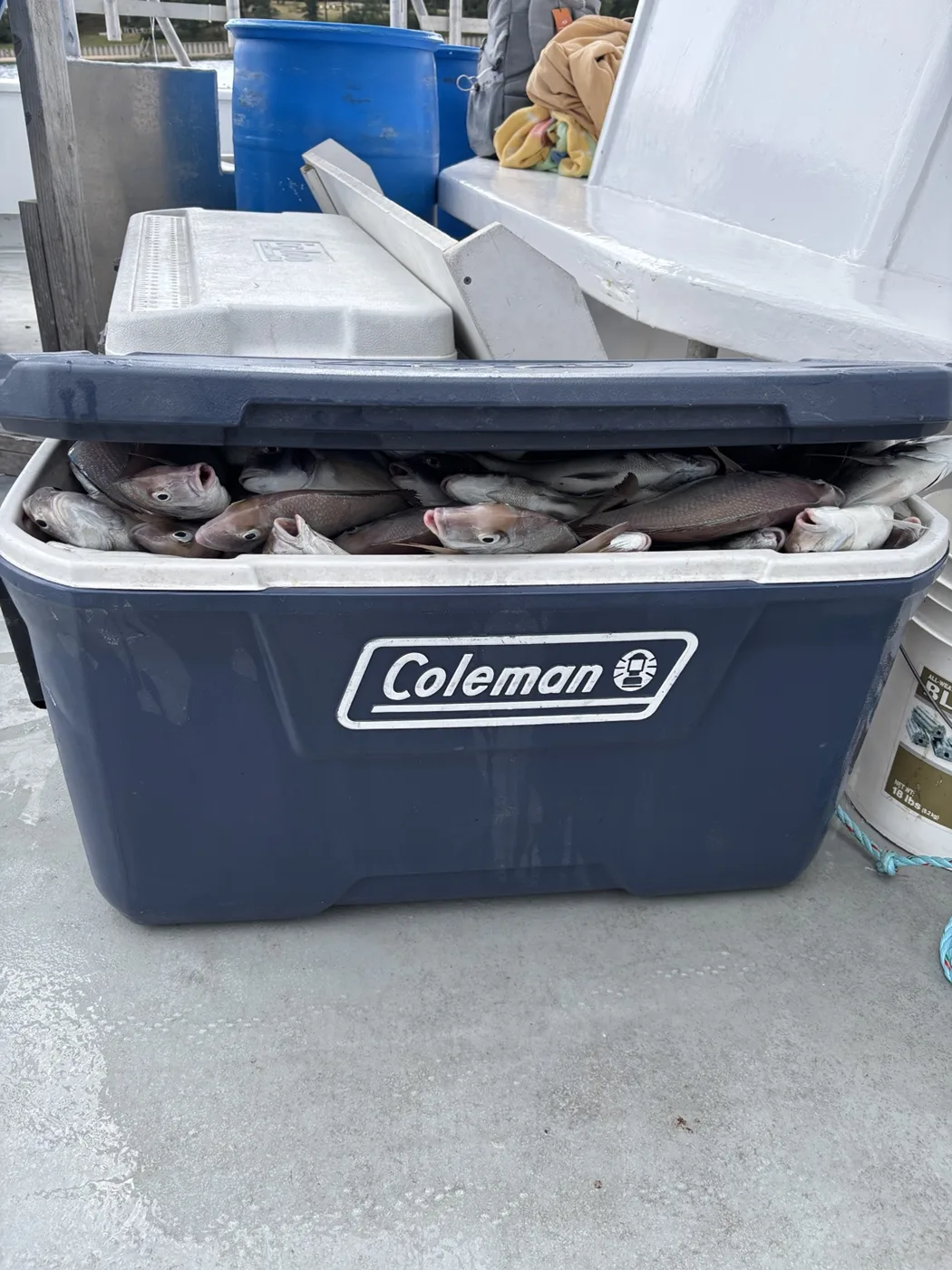
Porgy fishing is one of the best ways to get started with saltwater fishing.
It is active, beginner-friendly, family-friendly, and practical. You do not need to own a boat. You do not need expensive gear. You do not need years of experience. If you choose the right trip and listen to the crew, you can have a real chance of catching fish on your first day.
That is why I like porgies so much for beginners.
Some fishing trips are built around waiting all day for one big bite. That can be exciting if you already love fishing, but it can be tough for someone new. Porgy fishing is different. When the bite is good, there is action. You feel taps. You check bait. You reel. You rebait. You might catch one fish, then another, then a double header.
For a first fishing experience, that matters.
What Is a Porgy?
Porgy is the name most recreational anglers use. Scup is the name you will often see in regulations and official references. They are the same fish.
I heard the word porgy long before I ever heard scup. On boats, I still hear porgy more often, although some captains and official materials use scup.
Whatever name you use, porgies are small to medium-sized bottom fish that are common around the Northeast and especially important to many Long Island party boat trips.
Why Porgies Are Good for Beginners
The biggest reason porgies are good for beginners is action.
Beginners need to feel something happening. They need chances to learn. They need bites, mistakes, resets, and fish coming over the rail.
Porgies provide those chances better than many other fish.
They are also forgiving. You can use simple bait. You can use simple rigs. You can make a few mistakes and still catch fish if the boat is on a good bite.
Start on a Party Boat
If someone has never fished before and asks me where to start, I usually recommend a party boat.
The reason is simple: the boat handles many of the hardest parts.
The captain knows where to go. The crew has the bait. The boat has the gear or rental rods. The mates can help with tangles, fish removal, baiting, and cleaning fish. You do not have to figure out everything alone.
That makes the day much easier for a beginner.
Why Boat Fishing Beats Guessing From Shore
You can catch porgies from shore, but a boat gives you a better chance at steady action.
From shore, you are hoping the fish come to you. On a boat, the captain can go to productive areas. The crew may chum the water. If one area is slow, the boat can move.
That mobility is a major advantage.
For beginners, kids, and families, more action usually means a better day.
The Basic Rig
A simple two-hook rig is all most beginners need.
On boats, you will often use a high-low style setup with a sinker at the bottom and hooks above it. You do not need a fancy rig to catch porgies.
The most important things are good hooks, enough weight to hold bottom, fresh bait, and paying attention.
One of the fun parts of a two-hook rig is the chance for a double header. When two porgies are pulling in different directions, it can feel like a much larger fish. Kids love it. Adults do too.
The Best Bait for Beginners
My first choice is clams.
Most porgies I have caught have come on clams or squid, and clams have been the better bait for me.
Clams are messy. Squid is cleaner and stays on the hook well. But if I had to choose one bait for a first porgy trip, I would choose clams.
That said, if you are on a party boat, use what the boat gives you. The crew usually knows what is working.
The Most Important Skill: Find the Bottom
Porgies are bottom fish.
If your bait is not near the bottom, you are making the trip harder than it needs to be.
Drop until the sinker reaches bottom. Then keep the bait in the strike zone. You do not want to drag constantly, but you do want to stay connected enough to feel the bottom and feel bites.
That one skill makes a huge difference.
What a Porgy Bite Feels Like
A porgy bite often feels like a quick tap or a series of pecks.
Sometimes they hit harder. Sometimes they steal bait before you know what happened.
The more you fish, the better you get at telling the difference between a bite, the sinker bumping bottom, and the boat moving with the tide.
If you feel taps and do not hook anything, check your bait. You may be fishing with an empty hook.
Common Beginner Mistakes
The biggest beginner mistake is not staying near bottom.
The second is not checking bait often enough.
The third is worrying too much about looking stupid.
Everyone tangles. Everyone misses bites. Everyone needs help sometimes. On a good boat, the crew is used to beginners and kids. They have seen everything before.
The goal is to learn and have fun, not to look like an expert on the first trip.
What to Bring
Bring sunglasses, a hat, sunscreen, water, snacks, and a towel for your hands.
Sunglasses are easy to forget, but they matter because you spend a lot of time staring at water. A hat helps with sun. A towel helps with clam juice and bait. Hand sanitizer is useful too.
For kids, bring snacks and something for downtime. A seven-hour trip can feel long if the bite slows down.
Kids and First Trips
Porgy fishing can be excellent for kids if the trip is chosen carefully.
Kids do better when there is action, when other kids are on the boat, and when adults stay patient. The goal is not to make them fish every second. Let them take breaks, eat snacks, go inside, and come back when they are ready.
A first fish can change everything. Once a kid feels the rod bend and sees a fish come over the rail, fishing becomes real.
What If You Catch Nothing?
It happens.
Even porgy fishing is still fishing. Some days are slow. Weather, tide, current, location, and timing all matter.
If the weather is nice, a slow day can still feel like a good day on the water. If the weather is cold, rainy, or uncomfortable, a slow day can feel long.
That is one reason I try to choose decent weather for beginner trips.
Are Porgies Worth Keeping?
Yes.
Porgies are much better eating fish than many people expect. They are mild, slightly sweet, flaky, and versatile.
You can cook them whole, make tacos, make nuggets, make ceviche, or freeze them for later. They are not trash fish. They are one of the most underrated fish I regularly bring home.
What to Do With the Fish
If the boat cleans fish, use that service, especially as a beginner.
I usually keep the biggest fish whole and have the rest filleted. Whole fish are great with lemon, olive oil, and herbs. Fillets work well for tacos, nuggets, ceviche, and freezer meals.
If you catch a lot, eat some fresh, give some away, and freeze the rest properly.
My Best Advice for a First Trip
Do not overcomplicate it.
Pick a good party boat. Bring the basics. Listen to the crew. Use the bait they provide. Keep your bait near the bottom. Check your bait often. Ask for help when you need it.
And remember that the point is not only catching fish. It is being on the water, learning something new, and hopefully bringing home a fish you can actually eat.
My Bottom Line
Porgy fishing is one of the best entry points into saltwater fishing.
It is simple enough for beginners, active enough for kids, and rewarding enough for experienced anglers. The fish are fun to catch, useful to bring home, and much better to eat than their reputation suggests.
If you are planning your first saltwater fishing trip, a porgy party boat is one of the best places to start.