Scup Size Limits and Seasons: Start Here
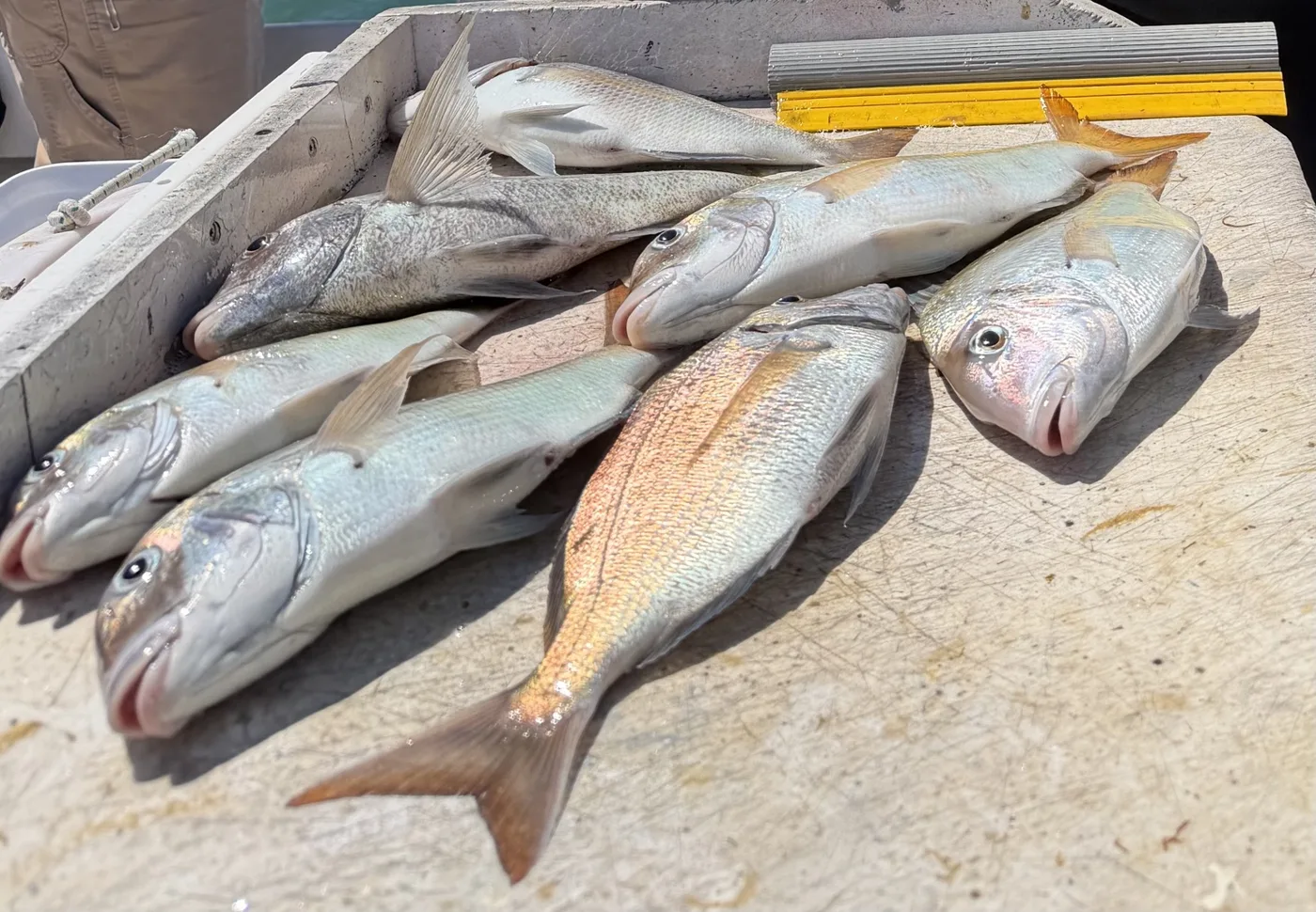
Before you keep a porgy, also called scup, you need to know the current size limits, season dates, and possession limits for the waters you are fishing.
This is one of those topics where memory is not good enough.
Regulations can change from year to year. They can also vary by state, by mode of fishing, and sometimes by whether you are fishing from shore, a private boat, or a party or charter boat.
Always Check Current Rules
The most important rule is simple: check the current regulations before you go.
Do not rely on what someone told you last season. Do not rely on an old screenshot. Do not assume the rules are the same because you fished the same area last year.
If you are on a party boat, the crew will usually know the current rules and will tell people what can be kept. Still, it is smart to understand the basics yourself.
Why Size Limits Exist
Size limits exist so small fish have a chance to grow and reproduce.
If everyone kept tiny fish, the fishery would suffer over time. Fewer fish would reach maturity, and future seasons would be worse for everyone.
That is the practical reason for minimum sizes. It is not just paperwork. It is part of keeping the population healthy enough that people can keep enjoying porgy fishing.
Why Seasons Exist
Open seasons help control fishing pressure.
Some times of year may be more sensitive for fish populations. Management rules are designed to balance recreational opportunity with long-term sustainability.
That is why a fish that is legal to keep during one part of the year may not be legal at another time.
Why Possession Limits Exist
Porgy fishing can be very productive when the bite is good.
On the right day, it can feel like fish are coming over the rail constantly. Without possession limits, it would be easy for people to keep far more fish than they actually need.
Possession limits help prevent overharvest and also force anglers to think practically about how much fish they will really use.
Measure Before You Keep
Fish can look bigger in the moment than they really are.
Measure before keeping.
If a porgy looks close, check it carefully. If it is short, release it.
This is especially important when the bite is fast and everyone is excited. That is when people are most likely to get careless.
Do Not Guess on Borderline Fish
If you are not sure whether a fish is legal, do not keep it.
There is no reason to risk a short fish over one borderline porgy.
When you are on a good bite, there will usually be more chances. Keep the legal fish and let the questionable ones go.
Keep Only What You Will Use
Legal does not always mean necessary.
I like keeping porgies because we actually use them. We eat some fresh, give some away, freeze some, make tacos, make nuggets, and make ceviche.
That is different from keeping fish just because you can.
Before filling a cooler, it is worth asking: am I really going to eat, freeze, or share these fish?
Party Boat Rules and Practical Reality
One advantage of fishing on a party boat is that the crew is usually paying close attention to regulations.
They will often tell people the current size and bag limits at the start of the trip or when fish start coming over the rail.
That helps beginners avoid mistakes.
But the responsibility still matters. Every angler should understand that regulations are part of the trip, not an annoying extra detail.
Where to Check
For New York anglers, start with the official state saltwater fishing regulations. If you fish another state or fish near state boundaries, check the rules for the specific waters you are fishing.
When in doubt, ask the captain, check the official agency site, and confirm before keeping fish. For useful context on why Massachusetts uses different shore and vessel minimum sizes, see our reporting based on written responses from Massachusetts DMF.
For the federal stock-management context behind today's scup fishery, see our NOAA Fisheries reporting on the stock's recovery, catch limits, and current scientific outlook.
My Bottom Line
Scup size limits and seasons are not something to guess about.
Check current rules before you fish. Measure carefully. Keep only legal fish. And keep only what you will actually use.
That is how porgy fishing stays fun, legal, and sustainable.