How to Freeze Porgy
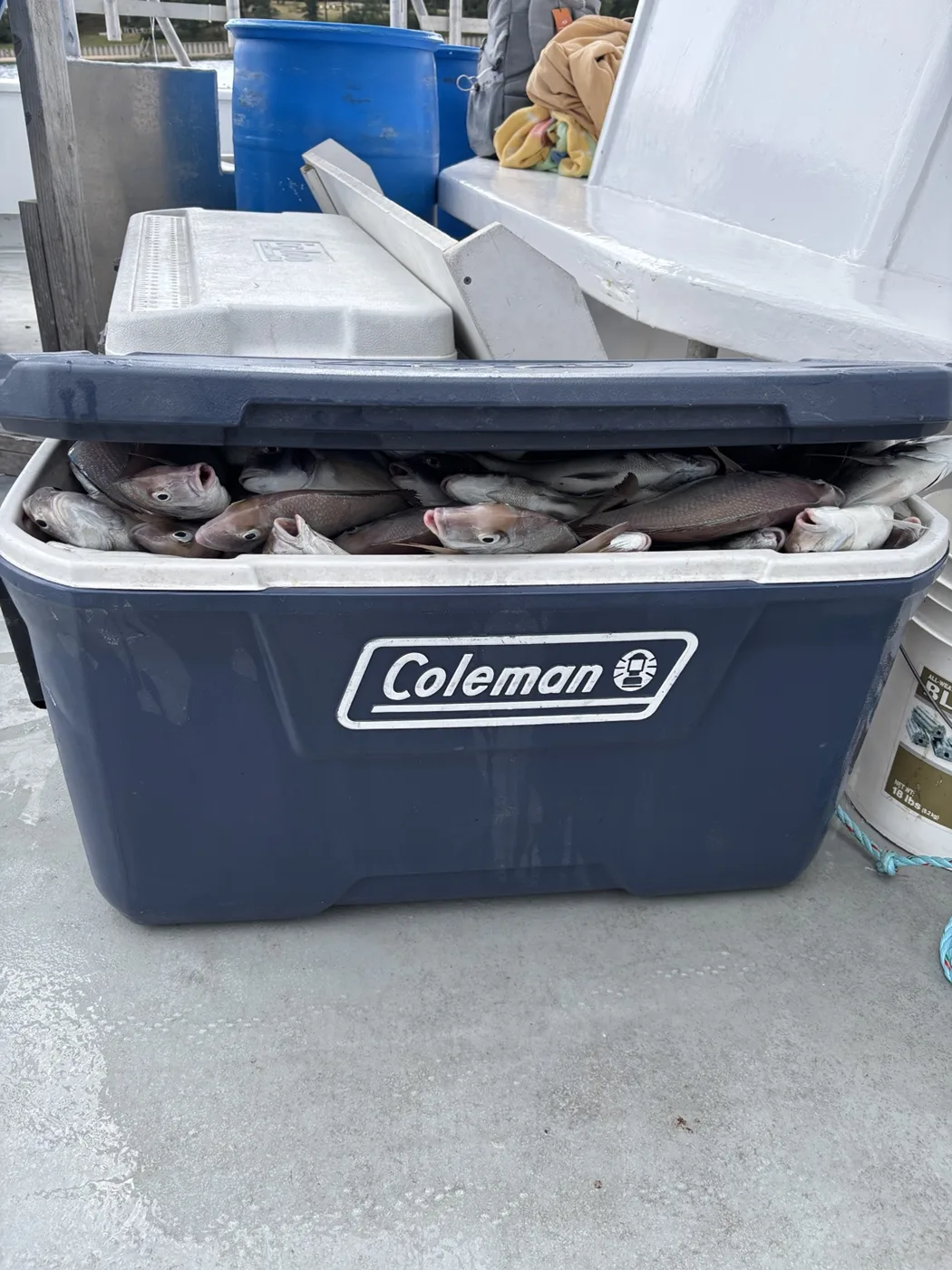
Freezing porgy becomes important when you have a good day and come home with more fish than you can reasonably eat right away.
My basic approach is simple: eat some fresh, give some away, and freeze the rest properly. That turns one good fishing trip into meals later in the season.
Clean the Fish First
The fish should be cleaned before freezing. If I am on a party boat, I usually let the boat cleaner handle it. I often keep the biggest fish whole and have the rest filleted.
Whole fish are great for simple meals. Fillets are easier to freeze and use later for tacos, nuggets, ceviche, or fried fish.
Do Not Wait Too Long
The biggest mistake is waiting too long to freeze fish you are not going to use. If you know you will not cook it soon, freeze it.
Fresh fish is best, but properly frozen porgy is much better than fish that sat too long in the fridge because you did not make a plan.
Vacuum Sealing
Vacuum sealing is my preferred method because it protects the fish and makes freezer storage easier. It also lets you portion fish for future meals.
If you catch a lot, portioning matters. You do not want to thaw more fish than you actually need.
Freezing Nuggets
For nuggets, I usually make a big batch later in the season using frozen fish from earlier trips. After frying, I let the nuggets cool completely, vacuum seal them, and freeze them.
Then they can be reheated in the air fryer or oven for easy meals.
Best Uses for Frozen Porgy
Frozen porgy works very well for tacos, nuggets, fried fish, and many seasoned preparations. Fresh is better for whole fish or a lightly seasoned fillet, but frozen fish still has a real place.
If I am making beer-battered tacos or nuggets, frozen porgy can be excellent.
Giving Fish Away
If we have a big catch, we often give some fish to neighbors or friends. That is part of the fun of catching a lot.
It also keeps the freezer from becoming overloaded with fish we will not use quickly enough.
My Bottom Line
Freeze porgy promptly, protect it well, and use it in meals where the preparation supports the fish.
Done right, a good porgy trip can feed you for weeks.
Freeze Porgy in Meal-Sized Portions
The best freezer plan is to package porgy in the portions you actually cook. Two whole fish, a bag of fillets, or a batch of cooked nuggets is easier to use later than one large frozen block.
Vacuum Sealing Helps
Vacuum sealing helps prevent freezer burn and keeps the fish cleaner tasting. If you do not have a vacuum sealer, remove as much air as possible from freezer bags and label them clearly.
Cooked vs Raw
Raw fillets give you more flexibility, but cooked nuggets or prepared portions can make weeknight meals much easier. Let cooked fish cool before sealing and freezing.
Freeze for the Way You Actually Eat
The best freezer system is built around real meals. If your family usually eats tacos, freeze fillets in taco-sized portions. If you like whole baked porgy, freeze whole cleaned fish in pairs. If you make nuggets, freeze cooked batches flat so they reheat quickly.
Label Everything
Label the bag with the date, whether the fish is raw or cooked, and whether it is whole or filleted. A freezer full of mystery fish is how good catches get wasted.
Avoid Freezer Burn
Air is the enemy. Vacuum sealing is ideal, but tightly wrapped fish inside freezer bags can still work if you remove as much air as possible. Keep packages flat so they freeze quickly and stack easily.
Do Not Wait Too Long
Freezing is not a way to rescue fish that has already been sitting too long. Chill the catch properly, clean it promptly, and freeze it while it still smells clean and fresh.